




Why Choose Us
Wide Product Range
Our main products cover AGM VRLA batteries, GEL batteries, OPzV/OPzS batteries, font terminal batteries, 2V long-life batteries, lead carbon batteries, lithium batteries, Car batteries, etc.
Quality Guaranteed
Shimastu strictly works on quality control of all production steps, ensuring all the products a reliable performance and high quality, and the company has been certified with ISO 9001, ISO 14001, UL and CE, etc.
Wide Applications
Shimastu has been exporting to worldwide clients serving in the energy storage and power backup industry such as UPS/EPS, solar power systems, security systems, emergency lighting systems, telecom systems, data centers, etc.
High Quality Service
We specialize in research and development, manufacturing, sales, and marketing of full categories of batteries. We are committed to providing a high level of customer service, and 24/7 customer support, so all your problems can be responded to quickly.
USB power supply battery is a special battery device used to provide power for devices that require continuous and stable power. When the main power supply (usually the utility power) fails or is interrupted, the UPS battery immediately provides power to ensure that the equipment can continue to operate, thus preventing data loss, equipment damage or other potential problems. UPS power batteries are usually used together with UPS equipment, which is a device that ensures a continuous supply of power. When the mains power is normal, the UPS device will convert the mains power into a stable DC power supply to charge the battery, and also provide stable power to the connected equipment.


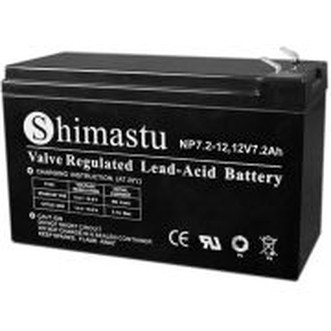
Uninterrupted Power Supply
UPS batteries provide an uninterrupted power supply to connected devices during power outages or power fluctuations. This ensures that critical equipment such as computers, servers, and networking devices can continue to operate without any interruption, preventing data loss and equipment damage.
Protected Equipment
UPS batteries protect sensitive equipment from voltage spikes, surges, and other power abnormalities. These sudden changes in voltage can damage equipment and disrupt operations, but UPS batteries filter out these abnormalities and provide a stable power output.
Extended Runtime
UPS batteries provide additional runtime to connected devices in case of a power outage. This allows for a graceful shutdown of equipment or enough time to save critical data and transition to alternative power sources.
Improved System Reliability
UPS batteries improve the overall reliability of the power system by providing a backup power source. This reduces the risk of equipment failures due to power issues and ensures the availability of critical systems.
Easy Integration and Maintenance
UPS batteries are designed for easy integration with UPS devices and require minimal maintenance. They are typically easy to install, and many models come with intelligent monitoring and management features that allow for remote monitoring and control.
Versatile Applications
UPS batteries are suitable for a wide range of applications, including data centers, hospitals, telecommunications facilities, industrial equipment, and more. They can be customized to meet specific power requirements and backup times.
Types of UPS Power Supply Battery
Lead-Acid Batteries
The most popular kind of UPS battery is the lead-acid battery. They are reasonably priced and offer dependable reserve power. They are available in two types: Valve Regulated Lead-Acid (VRLA) batteries and Flooded Lead-Acid (FLA) batteries. VRLA batteries are maintenance-free, while FLA batteries require regular maintenance.
Lithium-ion Batteries
UPS systems are increasingly using lithium-ion batteries. They outlive lead-acid batteries and are lighter in weight. Additionally, they cost more than lead-acid batteries.
Nickel-Cadmium Batteries
Nickel-cadmium batteries are another type of UPS batteries. They are renowned for their robustness and capacity to endure extreme temps. They are more costly than lithium-ion batteries and have a lesser energy density, though.
Components of UPS Power Supply Battery
Battery Modules: These are the individual batteries that store the electrical energy and supply power during a power outage. The type of battery used can vary, but lead-acid batteries are commonly found in UPS systems. Battery modules are typically housed in a battery cabinet or rack.
Battery Charger: The battery charger is responsible for charging the battery modules when the UPS is connected to the main power source. It ensures that the batteries are fully charged and ready to provide backup power when needed.
UPS Controller: The UPS controller manages the overall operation of the UPS system. It monitors the incoming power supply, controls the charging of the batteries, and switches the power supply to the batteries during a power outage. The controller also manages the transition back to the main power supply when it becomes available again.
Inverter: In some UPS systems, an inverter is used to convert the direct current (DC) power from the batteries into alternating current (AC) power, which is typically required by most electronic devices. This ensures that the backup power supplied by the batteries is compatible with the connected equipment.
Bypass Switch: A bypass switch allows the UPS system to be bypassed, allowing power to flow directly from the main power source to the connected equipment. This is typically done for maintenance or testing purposes.
What Should Be Looked out for When Inspecting a UPS Power Supply Battery?
When inspecting a UPS power supply battery, there are several key aspects that should be looked out for to ensure its proper operation and safety
Battery Condition
Check the overall condition of the battery. Look for any visible damage, leaks, or corrosion. Ensure that the battery casing is intact and free of cracks or dents.
UPS System Indicators
Look for any fault or alert indicators on the UPS system. These indicators can provide valuable information about the status of the UPS and the battery.
Battery Temperature
Check the temperature of the battery. Excessive heat can indicate a problem with the battery or the UPS system. If the battery is hot to the touch, it may indicate a failure or overheating issue.
Battery Charge Level
Determine the charge level of the battery. If the battery is discharged or has a low charge level, it may not be able to provide sufficient backup power in the event of a power outage.
Battery Connections
Inspect the battery connections to ensure they are secure and tight. Loose or corroded connections can affect the performance of the UPS and potentially cause safety issues.
Ventilation and Environment
Ensure that the UPS and battery are installed in a well-ventilated area to prevent overheating. Additionally, check for any obstructions or objects that could restrict airflow or cause the UPS to operate inefficiently.
How Often Do I Need to Have My UPS Power Supply Battery Serviced?


The frequency of UPS power supply battery service depends on various factors, including the type of UPS system, the age and condition of the battery, the environment it operates in, and the manufacturer's recommendations. However, as a general rule, it is recommended to service your UPS power supply battery at least once a year. The age of the battery is a critical factor. Most batteries have a limited lifespan, and regular servicing can help identify when a battery needs to be replaced. Generally, lead-acid batteries last for three to five years, depending on usage and conditions. The environment where the UPS system operates can affect the battery's lifespan and performance. High temperatures, humidity, dust, and vibrations can shorten the battery's life. If the UPS is exposed to such conditions, regular servicing is recommended to ensure the battery remains in good condition. Each UPS manufacturer has its own recommendations for battery servicing. It is essential to follow the manufacturer's guidelines to ensure the proper care and maintenance of your UPS system. The frequency of power outages and the load on the UPS system can affect the battery's condition. If the UPS system is frequently used to provide backup power, the battery may require more frequent servicing.
Considerations That Affect the UPS Power Supply Battery Replacement Schedule
Battery Age
Batteries have a finite lifespan, and their performance gradually degrades over time. Even if the battery is still operating, it may not be able to provide the same level of backup power as a new battery. Therefore, it is generally recommended to replace the battery every three to five years, depending on the battery type and manufacturer's recommendations.
Operating Conditions
The environment where the UPS system operates can significantly affect the battery's lifespan. High temperatures, humidity, dust, and vibrations can shorten the battery's life. If the UPS is exposed to such conditions, it may require more frequent battery replacement.
Battery Condition
Regular inspections and maintenance of the UPS system can help identify when the battery needs to be replaced. If the battery is damaged, leaking, or has a significantly reduced charge capacity, it should be replaced as soon as possible.
Manufacturer's Recommendations
Each UPS manufacturer has its own recommendations for battery replacement. It is important to follow the manufacturer's guidelines to ensure the proper care and maintenance of your UPS system.
Reduced Backup Time
If you notice that your UPS is providing shorter backup time than usual during a power outage, it could be a sign that the battery is failing. The battery may not be able to hold as much charge as it used to, resulting in a shorter runtime.
Frequent Battery Discharge
If the UPS battery discharges frequently, even when the UPS is not in use or when there are no power outages, it could indicate a problem with the battery. This could be due to internal damage or a leak in the battery.
Battery Leaking
If you notice any liquid leaking from the UPS battery, it is a clear sign of battery failure. Leaking batteries should be replaced immediately to prevent damage to the UPS and surrounding equipment.
Swelling or Bulging
If the UPS battery appears to be swelling or bulging, it could be a sign of internal damage. This could be caused by excessive heat, overcharging, or a manufacturing defect. A swollen battery should be replaced immediately.
Abnormal Noises
If you hear any abnormal noises coming from the UPS battery, such as cracking, popping, or gurgling sounds, it could indicate a problem with the battery's internal structure. These noises could be caused by electrolyte boiling or internal short circuits.
Charging Issues
If the UPS battery fails to charge properly or takes a longer time to charge than usual, it could be a sign of battery failure. This could be due to a damaged battery cell or a problem with the charging circuit.
How to Tell if UPS Power Supply Battery Needs Replacing?
The service life of UPS battery depends on the operating environment, maintenance and maintenance. If low efficiency, insufficient capacity, poor operating environment, such as high temperature, too large ash layer, humidity and so on, the service life of UPS battery will be shortened. If the maintenance is not in place, the service life of UPS will be shortened.
Storage battery is an important part of UPS power supply system, which plays an important role in filtering, stabilizing voltage and providing backup power supply. At present, the maintenance free valve regulated lean acid lead-acid batteries are mostly used in UPS power supply system. The advantage of this kind of batteries is that there is no need to supplement electrolyte in use, which are usually divided into AGM and gel batteries. Spaceflight power has both kinds of batteries, and both of them are automatic production. It can ensure stable production time and quality.
The service life of UPS battery is generally 3-20 years. Under the condition of reasonable use and maintenance every month, the service life of the battery will be longer. Next, let's talk about how to judge the need for battery replacement.
If there is a problem with the UPS power supply, after checking and eliminating the equipment failure, the problem is still not solved, it is necessary to consider whether it is a battery problem. At this time, we need to fully charge the battery, check whether the input AC and DC lines are in good contact, and check the UPS startup circuit. If it still doesn't solve the problem, the battery will have to be replaced.
Therefore, during UPS operation, the terminal voltage value, floating charge current value, voltage value of each battery, ground resistance and insulation state of battery pack and DC bus should be monitored.
The recommended temperature range for UPS power supply batteries varies depending on the specific battery type and manufacturer's recommendations. However, in general, most batteries perform best in a temperature range between 15°C (59°F) and 25°C (77°F). Batteries have a higher discharging capacity at higher temperatures. However, too high a temperature can lead to battery damage and shorten its lifespan. Battery self-discharge rate increases at higher temperatures, which means the battery will lose charge faster. This can be problematic during long-term storage or when the UPS is not in use. High temperatures can shorten the lifespan of the battery by accelerating the chemical reactions inside the battery. Conversely, low temperatures can slow down the chemical reactions, affecting the battery's performance. Extremely high temperatures can pose a safety risk, leading to battery thermal runaway or even explosion. Therefore, it is important to ensure that the UPS and its batteries are not exposed to excessive heat.
Can UPS Power Supply Battery Be Charged While in Use?
UPS (Uninterruptible Power Supply) power supply battery can be charged while in use. UPS systems are designed to provide backup power during power outages or power fluctuations, and they typically charge the battery when the main power supply is available. When the UPS is connected to the main power supply and the battery is fully charged, the UPS maintains a constant, low-level charge on the battery, known as a float charge. This keeps the battery ready for use and prevents overdischarging. During a power outage, the UPS switches to battery power to keep the connected equipment running. As the battery discharges, it will typically begin to charge again once the main power supply is restored. Modern UPS systems are designed to automatically charge the battery when the main power supply is available, without any manual intervention required. It's important to note that the charging process while the UPS is in use may be slower than when the UPS is not powering any loads, as the UPS needs to balance between charging the battery and providing power to the connected equipment.
How Do I Know if My UPS Power Supply Battery Is Fully Charged?
To determine if your UPS power supply battery is fully charged, you can use several methods depending on the UPS model and manufacturer. Here are some common ways to check the battery status.
UPS Display Panel
Many UPS systems have a display panel that provides information about the battery status. Look for indicators such as "Battery OK," "Battery Full," or a battery symbol with a green light. These indicators usually indicate that the battery is fully charged and ready to provide backup power.
Software or Web Interface
Some UPS models can be monitored and managed using software or a web interface. If your UPS supports this feature, you can log in to the interface and check the battery status. Look for information such as battery capacity, charge level, or battery health status.
LED Indicators
Some UPS systems have LED indicators on the front panel or battery itself. These indicators may show different colors or patterns to indicate the battery status. Refer to your UPS's manual or documentation to understand the specific meanings of the LED indicators.
Audible Alarms
Some UPS systems emit audible alarms to indicate different conditions, including when the battery is fully charged. Listen for any beeping or other sounds that may indicate the battery status.
The capacity rating of a UPS (Uninterruptible Power Supply) power supply battery is typically measured in ampere-hours (Ah) or watt-hours (Wh). This rating indicates the amount of electrical energy that the battery can store and provide during a power outage or power fluctuation.
The ampere-hour rating represents the battery's ability to deliver a constant current for a specific duration. For example, a battery rated at 100 Ah can provide 1 ampere of current for 100 hours, or 2 amperes for 50 hours, and so on.
The watt-hour rating is a measure of the total energy stored in the battery, taking into account both the voltage and current capacity. It represents the amount of power the battery can deliver over a period of time. For example, a battery rated at 1000 Wh can provide 1000 watts of power for 1 hour, or 500 watts for 2 hours.
The capacity rating of a UPS battery is important because it determines how long the UPS can power the connected equipment during a power outage before the battery is depleted. A higher capacity rating means the battery can provide power for a longer duration.
When selecting a UPS system, it's important to consider the power requirements of the equipment you need to protect. The UPS battery capacity should be sufficient to provide the required backup time based on the equipment's power consumption and the expected duration of power outages in your area.
Certifications
Our batteries have been certified with ISO 9001, ISO 14001, UL and CE, etc.


Our Factory
Shimastu Electronic Technology Co.,Limited, a premier manufacturer of Sealed Lead Acid batteries&Lithium batteries,which was established in 2001 and located in Zhongshan City ,Guangdong Province,China,we specialize in research and development, manufacturing, sales and marketing of full categories of batteries,our main products cover AGM VRLA battery,GEL battery, OPzV/OPzS battery,Front Terminal battery,2V long life battery,Lead carbon battery, Lithium battery,Car battery etc.
Ultimate FAQ Guide to UPS Power Supply Battery
Q: What is the best battery to use in a UPS?
Q: How do I calculate battery capacity for UPS?
Q: What are the specifications of UPS battery?
Q: Is it OK to keep UPS plugged in all the time?
Q: Can I put a stronger battery in my UPS?
Q: What are the 3 types of batteries?
Q: Is deep cycle battery better for UPS?
Q: How many hours does a UPS battery last?
Q: How long do UPS batteries last?
Q: What is the voltage of a fully charged UPS battery?
Q: What is a UPS Power Supply Battery?
Q: What is the purpose of a UPS Power Supply Battery?
Q: How does a UPS Power Supply Battery work?
Q: How long does a UPS Power Supply Battery last?
Q: What should I do if my UPS Power Supply Battery fails?
Q: How do I choose the right UPS Power Supply Battery for my needs?
Q: Is it OK to use car battery for UPS?
Q: Why does UPS battery drain so fast?
Q: Which is better dry or acid battery for UPS?
Q: How do I know if my UPS battery is good?
Hot Tags: ups power supply battery, China ups power supply battery manufacturers, suppliers, factory, solar deep cycle gel battery 200ah 12v, emergency battery back up, 12v gel leisure battery, 7ah gel battery, 12 volt deep cycle marine battery lithium, gel 200ah battery