




Lead Carbon Battery
Your Professional Lead Carbon Battery Manufacturer in China!
Shimastu Electronic Technology Co., Limited, a premier manufacturer of Sealed Lead Acid batteries&Lithium batteries, was established in 2001 and located in Zhongshan City, Guangdong Province, China.
Why Choose Us
Wide Product Range
Our main products cover AGM VRLA batteries, GEL batteries, OPzV/OPzS batteries, font terminal batteries, 2V long-life batteries, lead carbon batteries, lithium batteries, Car batteries, etc.
Quality Guaranteed
Shimastu strictly works on quality control of all production steps, ensuring all the products a reliable performance and high quality, and the company has been certified with ISO 9001, ISO 14001, UL and CE, etc.
Wide Applications
Shimastu has been exporting to worldwide clients serving in the energy storage and power backup industry such as UPS/EPS, solar power systems, security systems, emergency lighting systems, telecom systems, data centers, etc.
High Quality Service
We specialize in research and development, manufacturing, sales, and marketing of full categories of batteries. We are committed to providing a high level of customer service, and 24/7 customer support, so all your problems can be responded to quickly.
-
![Lead Carbon Battery For Energy Storage System & Hybrid System]() Lead Carbon Battery For Energy Storage System & Hybrid Sy...Read More
Lead Carbon Battery For Energy Storage System & Hybrid Sy...Read MoreLead carbon battery is lead battery with a carbon addition. The battery is constructed in a similar way as AGM batteries. The difference is that the negative plates of a lead carbon battery are

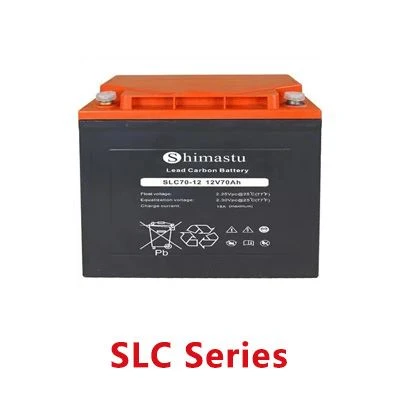
Lead-carbon battery is a new type of super battery that combines lead-acid batteries and supercapacitors: it not only takes advantage of the instant large-capacity charging of supercapacitors but also takes advantage of the specific energy advantages of lead-acid batteries. Lead-carbon battery is a mixture of asymmetric supercapacitors and lead-acid batteries using the internal parallel connection.
As a new type of super battery, a lead-carbon battery is a combination of lead-acid batteries and supercapacitors, which is also a kind of dual-function energy storage battery with both capacitive and battery characteristics. Therefore, it not only takes advantage of the instant power and large capacity charging of supercapacitors but also takes advantage of the energy advantages of lead-acid batteries, which can be fully charged in one hour and has a good charge and discharge performance.
It forms a new active center in negative electrode by adding active carbon, that can reduce lead deposition overpotential, the lead sulfate will be translated into lead more easily. Growing up of lead sulfate can be suppressed efficiently through this technology.
When discharging, the positive and negative active material reacts with the acidic element of the electrolyte and becomes lead sulphate and water, causing the acid density to decrease. When charging, the acid that concentrated in the positive discharge material (during discharge cycles) is released back into the electrolyte. At this time the lead sulphate in the positive and negative plate transforms in to lead dioxide which causes the acid density in the electrolyte to increase.
With conventional lead based batteries, after charging or prior to charge completion, all the charging current is used for electrolyses of the moisture in the electrolyte. The positive plates release oxygen and the negative plate hydrogen gas. If the gas recombination efficiency of the battery is low, a large percentage of the gas will escape leaving less moisture in the battery after every charge. This action causes the electrolyte content to decrease due to water loss, raising the acidity in the battery and shortening the life of the battery. This is known as late charge fluid loss phenomenon.
With Lead Carbonl batteries, besides the regular chemical reaction, the composite electrolyte has various additives that participate in the electrochemical reaction. This helps to inhabit the oxygen and hydrogen gas during the charging cycle increasing the batteries recombination rate. This in turn reduces the water loss during and after charging. When discharging, the lead sulphate can be totally transformed back into active material, prolonging the battery’s use life.
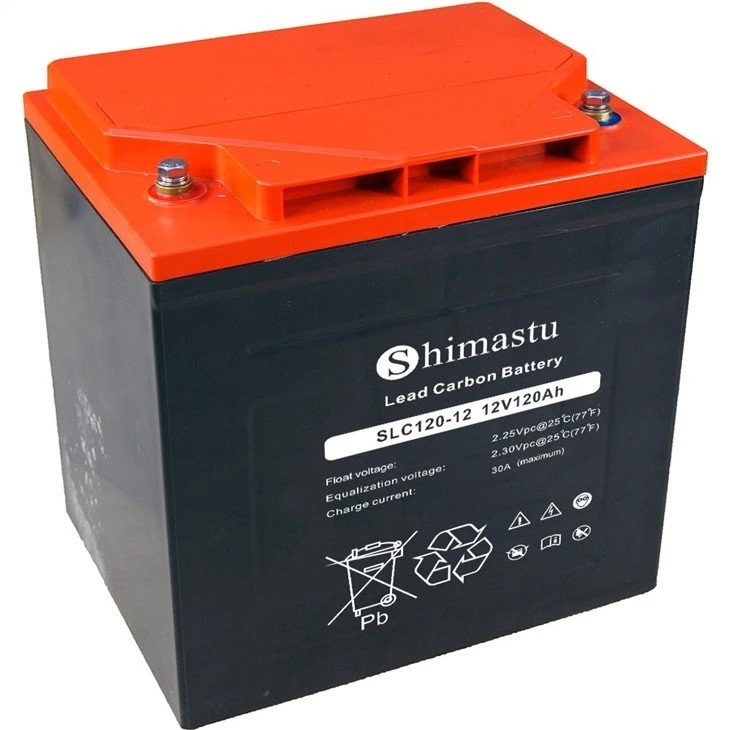
Safe
No harmful and toxic gases coming off our lead-carbon batteries (as they're sealed), so you don't have to worry about terminals and wiring corrosion, or spillage of liquid acid, checking fluid levels, hydrometer checking and all the safety risks / hazards that you have with existing flooded lead acid batteries. Our lead-carbon batteries don't need external outdoor ventilation as normal lead-acid batteries do.
Long Life
Up to 20 Year Design Life for our lead-carbon batteries (when running in best case with perfect environment conditions), compared with standard lead-acid batteries that have a 3-5 year design life and lithium that has up to 10 year design life.
High Charging Efficiency
Another advantage is that lead carbon batteries have a high charging efficiency, meaning they can charge quickly and efficiently with minimal energy loss. They also have a high discharge rate, making them suitable for use in applications that require short bursts of power.
Environmentally Friendly
Lead carbon batteries are also more environmentally friendly than other types of lead-acid batteries. Since they contain less acid, there is less risk of leakage or spillage during transport and disposal. Additionally, some manufacturers incorporate recycled materials into their production process, further reducing their environmental impact.
Applications of Lead Carbon Battery
Backup Power Supplies
In settings where uninterrupted power is critical—like hospitals or data centers—lead carbon batterys(LCBs) act as reliable backup power sources, thanks to their quick charging capabilities and longevity.
Off-Grid Solutions
For remote locations without access to centralized electricity grids, LCBs serve as a power source, often paired with renewable energy installations.
Transportation
Though not as common as Lithium-ion, LCBs are still employed in certain electric vehicles (EVs) and hybrid applications, offering a balance between cost and performance.
Grid Stabilization
By acting as a buffer, LCBs can help stabilize power grids, absorbing excess energy during peak production times and releasing it during high demand.
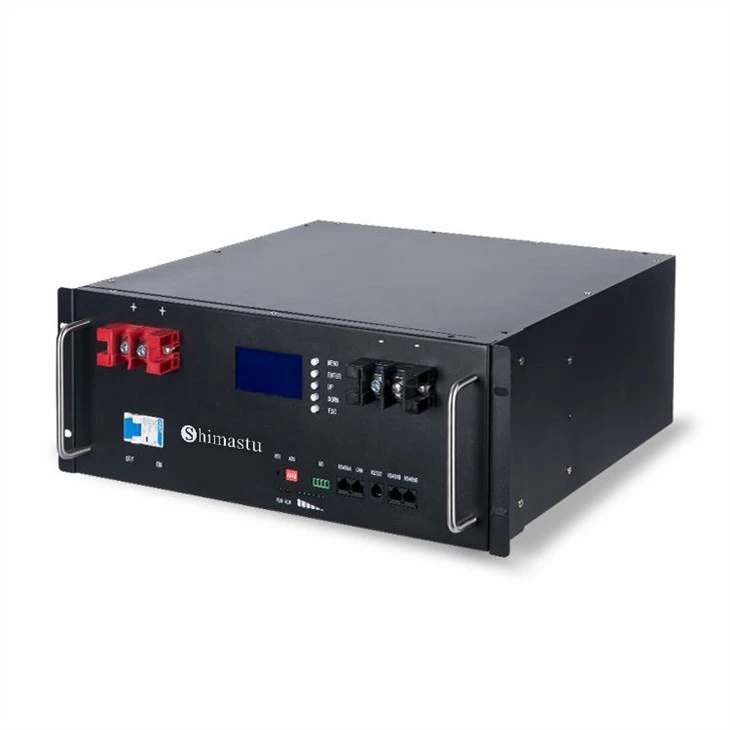
The lead carbon battery is a special capacitive lead-acid battery. The traditional lead-acid battery unit is composed of a lead dioxide positive plate and a sponge lead negative plate, while the asymmetric super capacitor is made of lead dioxide positive electrode. The plate and the carbon negative plate are composed. Since the two have a common positive plate, they can be combined in the same battery system, that is, a so-called lead carbon battery is formed.
The lead carbon battery incorporates a carbon material in the negative electrode compared to a conventional lead acid battery. The addition of carbon material accelerates the conversion of active materials during the conversion process. A new active center is formed on the surface of the activated carbon, which reduces the polarization during the charging process of the plate and inhibits the growth of lead sulfate particles, which is beneficial to the reduction of lead sulfate. Therefore, adding an appropriate amount of carbon to the lead-acid battery can effectively inhibit the accumulation of lead sulfate crystal on the surface of the negative electrode, slow down the trend of sulfation, and significantly increase the life of the battery cycle.
At the same time, in the high-rate charge and discharge process, the supercapacitor can quickly supply and absorb the charge, and play the role of a buffer. Therefore, the cooperation with the super capacitor increases the power of the battery and prolongs the cycle life of the battery.
Maintenance Tips for Lead Carbon Batteries
Routine checks can prevent potential issues from escalating.
Visual Checks: Regularly inspect the battery for any signs of bulging, leakage, or damage.
Terminal Checks: Ensure that the terminals are clean and free from corrosion.
Safe handling prevents accidents and prolongs battery life.
Wear Protective Gear: When handling batteries, always wear gloves and safety goggles to prevent direct contact with battery acids or other chemicals.
Lifting Mechanism: Due to their weight, always use proper lifting techniques or equipment to prevent strain or injury.
Correct charging is key to maximizing battery life and performance.
Use Compatible Chargers: Ensure that the charger is suited for LCBs to avoid overcharging or undercharging.
Monitor Charging: Do not leave the battery unattended during charging. Ensure it doesn’t overheat.
If the battery is to be stored for an extended period.
Store Upright: Always ensure the battery remains in an upright position.
Keep Away from Combustibles: Store the batteries away from flammable materials to minimize fire risks.
Neutralize Spills: For acid spills, use baking soda to neutralize.
Ventilate Area: If gases are released, ensure good ventilation to dilute harmful fumes.
Seek Professional Help: In case of severe malfunctions, contact professionals or the battery manufacturer.
Considerations for Storing Lead Carbon Batteries
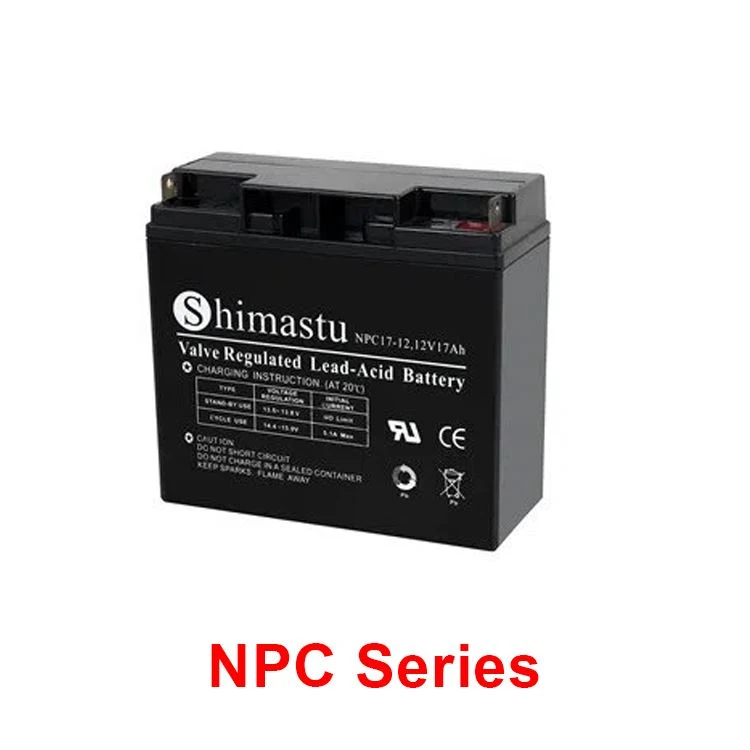
Store Your Batteries at Room Temperature
Extreme temperatures can damage batteries of all types. Contrary to popular belief, batteries should never be stored in the freezer. For best results, store your batteries in a climate-controlled room without heat fluctuations. Heat can harm any type of battery and changing temperatures reduce battery performance. Cold temperatures can form condensation and erode batteries overtime.
Keep Your Batteries away from Direct Sunlight or Heat Sources
Intense heat can cause the fluid in your battery to evaporate. Once a battery’s liquid gets too low, the battery will fail. Sunlight will hurt a battery when it is heating it up so keep your batteries at room temperature in a dry location away from the sun’s rays.
Dispose of Them Safely
Before disposing of any battery, make sure you have a plan to do so safely according to local regulations. Different towns have different rules so be sure to check with your local sanitation department on proper disposal. It used to be common knowledge that throwing batteries in household trash was illegal because batteries have the potential to cause fires as well as leak toxic chemicals that can get washed into groundwater.
Don’t Store Your Batteries in a Plastic Sandwich Bag
Never store batteries in a plastic sandwich bag. If loose batteries contact each other, or if the terminals come into contact with other metal objects, this could cause the batteries to short-circuit. You never want the positive or negative ends of batteries to connect with each other as this could discharge the batteries.
Avoid Mixing Old and New Batteries Together
Older batteries may discharge into the newer ones, leading to reduced performance or damaging both sets of cells. Warnings on leading battery brands such as Duracell or Energizer advise against mixing old and new batteries due to the risk of rupture and leakage of toxic fluid.
Don’t Mix Batteries with Metal
Mixing batteries with metal can cause a short circuit which could damage the battery and the metal itself. Batteries and metal objects don’t mix as metal can overheat the battery cell.
Never Short Circuit a Battery
Short circuiting a battery can cause an intense electrical current which could affect other areas near it. The battery will be run down quickly and in the worst-case scenario the battery could catch fire or burst itself or its container.
Certifications
Our batteries have been certified with ISO 9001, ISO 14001, UL and CE, etc.


Our Factory
Frequently Asked Questions (FAQ) about Lead Carbon Batteries
Q: What is the difference between lead acid and lead carbon batteries?
Q: How long do lead carbon batteries last?
Q: How low can you discharge a lead carbon battery?
Q: What is the role of carbon in lead-acid battery?
Q: Are lead carbon batteries better than lithium?
Q: Which is better lead carbon battery or AGM battery?
Q: Do lead carbon batteries need ventilation?
Q: What is the depth of discharge of a lead carbon battery?
Q: Are lead carbon batteries good?
Q: How long does it take to charge a lead carbon battery?
Q: Can lead carbon batteries be recycled?
Q: How do lead carbon batteries perform in extreme temperatures?
Q: Can lead carbon batteries be used in residential solar power systems?
Q: Is lead carbon battery safe?
Q: How do lead carbon batteries perform in high discharge-rate applications?
Q: Can lead carbon batteries be used in electric vehicles?
Q: How do you check the battery capacity of a lead carbon battery?
Q: What is the best way to store a lead carbon battery?
Q: What is the maximum discharge rate of a lead carbon battery?
Q: How do I test the health of a lead carbon battery?
We're professional lead carbon battery manufacturers and suppliers in China, specialized in providing high quality custom service. We warmly welcome you to wholesale high-grade lead carbon battery made in China here from our factory. For price consultation, contact us.