

Hey there! As a supplier of the 48V Series, I've seen my fair share of issues that customers often run into. So, I thought I'd share some of the common problems with you all.
1. Charging Issues
One of the most frequent headaches with the 48V Series is charging problems. Sometimes, the battery just won't charge properly. This could be due to a faulty charger. Chargers can go bad over time, especially if they've been used a lot. Maybe the internal components have worn out, or there's been some kind of short - circuit.
Another reason could be a problem with the charging port on the battery itself. If it's dirty or damaged, it won't make a good connection with the charger. You might notice that the charging indicator light doesn't come on, or it flickers on and off. In some cases, the battery might start charging but then stop abruptly.
A solution to the charger problem is to check if it's still under warranty. If so, you can get it replaced. For a dirty charging port, you can use a soft brush to gently clean it. Just make sure you're not using anything too abrasive that could damage the port further.
2. Capacity Degradation
Over time, the capacity of 48V batteries tends to degrade. This means that they can't hold as much charge as they used to. It's like a water tank that starts to leak a little bit each time it's filled. The reasons for this are multiple.
One major factor is the number of charge - discharge cycles. Every time you charge and then discharge a battery, it undergoes a chemical reaction. With repeated cycles, the electrodes inside the battery can start to break down. High temperatures can also speed up this degradation process. If the battery is exposed to extremely hot conditions for long periods, it can cause irreversible damage.
To slow down capacity degradation, you should try to avoid overcharging and over - discharging the battery. Also, keep it in a cool environment as much as possible. If you notice a significant drop in capacity, it might be time to consider replacing the battery. You can check out our 48V Lithium Battery for a reliable replacement option.
3. Voltage Imbalance
In a 48V battery pack, which is usually made up of multiple cells connected in series, voltage imbalance can be a real pain. Each cell in the pack should have a similar voltage. But sometimes, one or more cells can have a different voltage than the others.
This imbalance can lead to uneven charging and discharging. The cells with lower voltage might get over - discharged while the ones with higher voltage could be over - charged. It can also reduce the overall performance of the battery pack and shorten its lifespan.

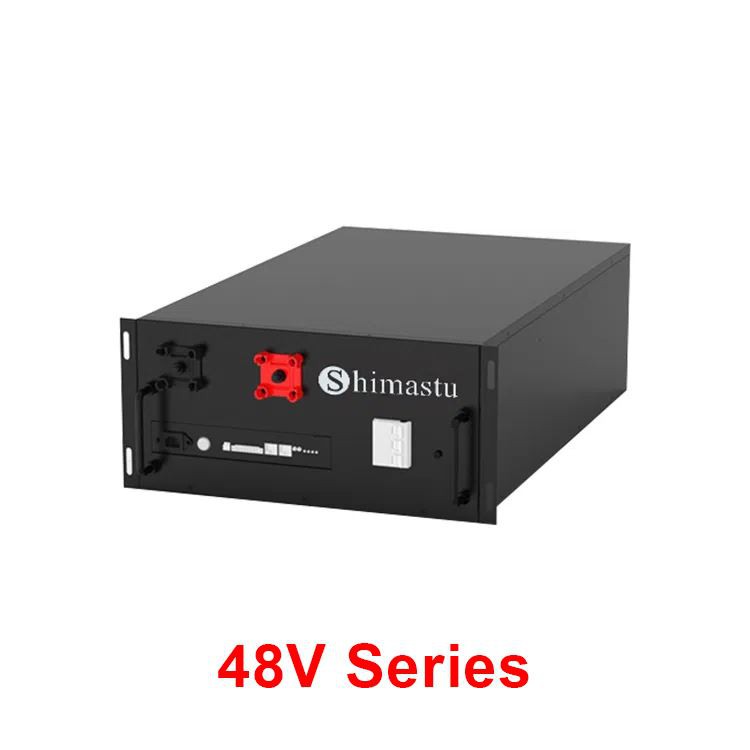
To detect voltage imbalance, you need a battery management system (BMS) that can monitor the voltage of each cell. If an imbalance is detected, the BMS can try to balance the cells by redistributing the charge. However, if the problem persists, it might indicate a faulty cell that needs to be replaced.
4. Overheating
Overheating is another common problem. When a 48V battery overheats, it can be dangerous. It can not only damage the battery itself but also pose a fire risk. There are several reasons for overheating.
High - current charging or discharging is a major culprit. If you're using a charger that supplies too much current or if you're drawing a large amount of power from the battery in a short period, it can generate a lot of heat. Also, a short - circuit inside the battery can cause overheating.
To prevent overheating, make sure you're using the right charger with the correct current rating. Avoid using the battery in high - power applications for extended periods without giving it a break. If you notice the battery getting too hot during normal use, stop using it immediately and let it cool down.
5. Compatibility Issues
Compatibility can be a problem, especially when you're trying to use the 48V battery with different devices. Not all devices are designed to work with 48V batteries. Some might require a different voltage level, and using a 48V battery could damage the device or not work at all.
For example, if you try to use a 48V battery in a device that's only rated for 12V, it could fry the internal components of the device. On the other hand, if a device is designed to work with a 48V battery but has specific requirements for the battery's capacity or discharge rate, using an incompatible battery might lead to poor performance.
Before using a 48V battery with a device, always check the device's specifications. If you're unsure, you can contact us for advice. We can help you choose the right 48V Lithium Battery for your specific device.
6. Physical Damage
Physical damage to the 48V battery can also cause a whole host of problems. Dropping the battery, hitting it with a hard object, or even bending it can damage the internal components. A cracked case can allow moisture and dust to enter the battery, which can lead to corrosion and short - circuits.
If you notice any physical damage to the battery, don't use it. It's not worth the risk. Instead, contact us to see if the battery can be repaired or if you need to get a new one.
Conclusion
Well, there you have it - some of the most common problems with the 48V Series. While these issues can be frustrating, most of them can be either prevented or fixed with the right knowledge and approach.
If you're facing any of these problems or if you're interested in purchasing high - quality 48V batteries, we're here to help. Just reach out to us for a chat about your needs, and we'll work together to find the best solution for you.
References
- Battery Technology Handbook
- Industry reports on 48V battery performance and issues


