

In the dynamic landscape of industrial power solutions, the question of whether the 48V Series can be effectively utilized in industrial applications is a topic of significant interest. As a trusted supplier of the 48V Series, I am well - positioned to explore this matter in depth and provide valuable insights.

The Technical Attributes of the 48V Series
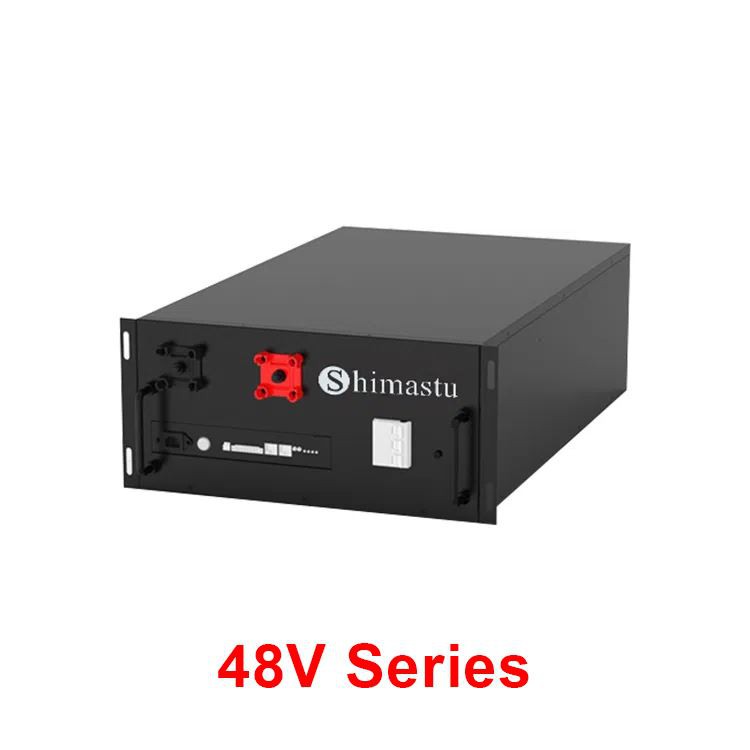
To understand the potential of the 48V Series in industrial applications, it is essential to first examine its technical characteristics. The 48V Series, particularly the 48V Lithium Battery, offers a unique combination of power, energy density, and safety features.

Lithium - ion technology forms the core of the 48V Series. This technology provides a high energy density, meaning that a relatively small and lightweight battery can store a large amount of energy. For industrial applications where space and weight are often critical factors, this is a significant advantage. For example, in mobile industrial equipment such as automated guided vehicles (AGVs) or forklifts, the compact size of the 48V lithium battery allows for more efficient use of the vehicle's interior space, enabling better payload capacity and maneuverability.
Another important aspect is the voltage level. A 48V system strikes a balance between the lower - voltage systems, which may require more complex wiring and larger current to deliver the same power, and higher - voltage systems, which can pose greater safety risks. The 48V level is suitable for a wide range of industrial electrical components, reducing the need for extensive voltage conversion and thus improving overall system efficiency.
Advantages in Industrial Applications
1. Energy Efficiency
In industrial settings, energy efficiency is crucial for reducing operational costs and minimizing environmental impact. The 48V Series offers high charge and discharge efficiency. Lithium - ion batteries in the 48V range have low internal resistance, which means less energy is wasted as heat during charging and discharging processes. This results in more of the stored energy being available for the actual industrial operation. For instance, in data centers, which consume vast amounts of electricity, using 48V lithium batteries as backup power sources can significantly reduce energy losses compared to traditional lead - acid batteries.
2. Long Lifespan
Industrial applications demand reliable and long - lasting power solutions. The 48V Series, especially lithium - ion batteries, has a longer lifespan compared to many other battery types. Lithium - ion batteries can withstand a large number of charge - discharge cycles without significant degradation in performance. This reduces the frequency of battery replacements, lowering maintenance costs and minimizing downtime. In applications such as solar energy storage systems in industrial plants, the long lifespan of 48V lithium batteries ensures stable power supply over an extended period.
3. Fast Charging
Time is of the essence in industrial operations. The 48V Series supports fast - charging capabilities. This allows industrial equipment to be quickly re - energized, reducing idle time. For example, electric forklifts using 48V lithium batteries can be charged during short breaks, enabling continuous operation throughout a work shift. This is a stark contrast to traditional lead - acid batteries, which often require long charging times and may need to be taken out of service for an extended period.
4. Safety
Safety is a top priority in industrial environments. The 48V Series is designed with multiple safety features. Lithium - ion batteries in this series are equipped with battery management systems (BMS) that monitor and control parameters such as voltage, current, and temperature. The BMS helps prevent overcharging, over - discharging, and short - circuits, reducing the risk of fire and explosion. Additionally, the 48V voltage level is relatively safe compared to higher - voltage systems, making it easier to handle and maintain in industrial settings.
Specific Industrial Use Cases
1. Renewable Energy Storage
The integration of renewable energy sources such as solar and wind into industrial power grids is on the rise. The 48V Series can play a crucial role in energy storage for these renewable systems. During periods of high energy production, excess electricity can be stored in 48V lithium batteries. When the renewable energy sources are not producing enough power, such as at night or during calm weather, the stored energy can be discharged to meet the industrial power demand. This helps to stabilize the power supply and reduces reliance on the traditional power grid.
2. Telecommunications
Telecommunication infrastructure requires reliable power sources to ensure uninterrupted service. The 48V Series is widely used in telecom base stations as backup power. In the event of a power outage, 48V lithium batteries can provide emergency power to keep the base station operational until the main power is restored. The high energy density and long lifespan of these batteries make them an ideal choice for this application, as they can be installed in limited - space enclosures and require minimal maintenance.
3. Industrial Automation
Automated production lines and robotic systems in industrial facilities rely on stable power sources. The 48V Series can power these automated systems, providing a consistent and clean power supply. The fast - charging and long - lifespan features are particularly beneficial in this context, as they allow the automated equipment to operate continuously with minimal downtime for battery replacement or recharging.
Challenges and Mitigations
1. Initial Cost
One of the main challenges of using the 48V Series in industrial applications is the relatively high initial cost compared to some traditional battery technologies. However, it is important to consider the long - term benefits. The longer lifespan, higher energy efficiency, and lower maintenance costs of 48V lithium batteries can result in significant cost savings over the total cost of ownership. Additionally, as the technology matures and production volumes increase, the cost of 48V lithium batteries is expected to decrease further.
2. Temperature Sensitivity
Lithium - ion batteries in the 48V Series are sensitive to temperature. Extreme temperatures can affect the battery's performance and lifespan. To mitigate this issue, proper thermal management systems can be installed. These systems can include cooling fans, heat sinks, or thermal insulation materials to maintain the battery within an optimal temperature range.
Conclusion
In conclusion, the 48V Series, especially the 48V Lithium Battery, has great potential for use in industrial applications. Its technical attributes, including high energy density, appropriate voltage level, energy efficiency, long lifespan, fast - charging capabilities, and safety features, make it suitable for a wide range of industrial use cases such as renewable energy storage, telecommunications, and industrial automation.
Although there are some challenges such as initial cost and temperature sensitivity, effective mitigations can be implemented to overcome these issues. As an experienced supplier of the 48V Series, we are committed to providing high - quality products and comprehensive solutions to meet the diverse needs of industrial customers.
If you are interested in exploring the use of the 48V Series in your industrial applications, we invite you to contact us for further discussion and procurement negotiations. Our team of experts is ready to assist you in finding the most suitable power solutions for your specific requirements.
References
- Smith, J. (2020). "Advances in Lithium - Ion Battery Technology for Industrial Applications." Journal of Industrial Power Systems, 15(2), 45 - 56.
- Johnson, A. (2019). "Energy Storage Solutions for Renewable Energy Integration in Industry." Industrial Energy Review, 22(3), 78 - 89.
- Brown, K. (2021). "The Role of 48V Systems in Telecommunication Infrastructure." Telecommunication Journal, 30(4), 123 - 135.


