

As a supplier of 70Ah GEL batteries, I often get asked about the differences between 70Ah GEL batteries and traditional lead - acid batteries. In this blog, I'll delve into the key distinctions, benefits, and applications of these two types of batteries to help you make an informed decision when choosing the right power source for your needs.
Construction and Chemistry
Let's start with the basics of how these batteries are constructed and their underlying chemistry.
A traditional lead - acid battery consists of lead plates submerged in an electrolyte solution, typically sulfuric acid. The chemical reaction between the lead plates and the sulfuric acid generates electrical energy. When the battery discharges, lead sulfate forms on the plates, and during charging, this process is reversed. However, this type of battery has some limitations. The liquid electrolyte can spill if the battery is damaged or tilted, which poses a safety risk. It also requires regular maintenance, such as checking and topping up the electrolyte levels.
On the other hand, a 70Ah GEL battery is a type of valve - regulated lead - acid (VRLA) battery. In a GEL battery, the electrolyte is immobilized by a gelling agent, usually silica. This transforms the liquid electrolyte into a thick, jelly - like substance. The gelled electrolyte eliminates the risk of spillage, making it safer to use in various applications, including those where the battery might be moved or tilted. Additionally, the construction of GEL batteries is more robust, with better resistance to vibration and shock compared to traditional lead - acid batteries.
Performance Characteristics
Self - Discharge Rate
One of the significant differences in performance is the self - discharge rate. Self - discharge refers to the rate at which a battery loses its charge when not in use. Traditional lead - acid batteries have a relatively high self - discharge rate. They can lose up to 5 - 10% of their charge per month, depending on the temperature and other environmental factors. This means that if you store a lead - acid battery for an extended period, it may need to be recharged frequently to maintain its capacity.
In contrast, 70Ah GEL batteries have a much lower self - discharge rate. They typically lose only about 1 - 3% of their charge per month. This makes them ideal for applications where the battery may be stored for long periods, such as in emergency backup systems or seasonal equipment. You can rely on a GEL battery to hold its charge for a longer time without the need for frequent recharging.
Depth of Discharge (DoD)
The depth of discharge is another crucial performance factor. It measures the percentage of a battery's capacity that has been used during a discharge cycle. Traditional lead - acid batteries are generally recommended to be discharged to a maximum of 50% DoD to ensure a long service life. If you discharge a lead - acid battery beyond this level frequently, it can significantly reduce its lifespan due to increased sulfation of the lead plates.
70Ah GEL batteries, however, can tolerate a deeper discharge. They can typically handle a DoD of up to 80% without significant damage to the battery. This means that you can use more of the battery's capacity in each discharge cycle, providing more usable energy. For applications where a high level of energy is required over a short period, such as in some off - grid solar power systems, GEL batteries are a better choice.

Charging Characteristics
Charging a traditional lead - acid battery requires careful control of the charging current and voltage. Overcharging can cause the electrolyte to boil, leading to the loss of water and the formation of hydrogen and oxygen gases, which is not only a safety hazard but also reduces the battery's lifespan. Undercharging, on the other hand, can result in sulfation of the lead plates, reducing the battery's capacity over time.
GEL batteries have different charging requirements. They need a lower charging voltage compared to traditional lead - acid batteries. A specialized charger designed for GEL batteries is recommended to ensure proper charging. The gelled electrolyte in GEL batteries also allows for a more even distribution of the charging current, which helps to prevent overcharging and extends the battery's service life.
Applications
Traditional Lead - Acid Batteries
Traditional lead - acid batteries are commonly used in automotive applications, such as starting, lighting, and ignition (SLI) systems in cars, trucks, and motorcycles. They are well - suited for these applications because they can deliver a high burst of current to start the engine. They are also relatively inexpensive compared to other battery types, which makes them a cost - effective choice for mass - market automotive use.
In addition, some small - scale backup power systems, such as those in home alarm systems, may use traditional lead - acid batteries. For example, you can find Alarm Batteries 12V7Ah in many alarm systems. These batteries are simple to install and maintain, and their relatively low cost makes them a practical option for basic backup power needs.
70Ah GEL Batteries
70Ah GEL batteries are often used in applications where safety, reliability, and long - term performance are critical. They are popular in off - grid solar power systems, where they can store the energy generated by solar panels during the day for use at night or during cloudy weather. The low self - discharge rate and high depth of discharge make them well - suited for this type of application, as they can store and release energy efficiently over an extended period.
GEL batteries are also used in marine applications, such as powering boats and yachts. The spill - proof design and resistance to vibration and shock make them a safe and reliable choice for use on watercraft. Additionally, they are commonly found in uninterruptible power supply (UPS) systems for data centers and other critical facilities. The ability to handle deep discharges and maintain a stable voltage output ensures that these systems can continue to operate during power outages.
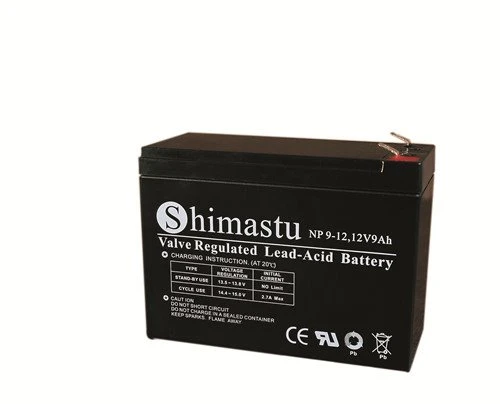
Another application where 70Ah GEL batteries shine is in electric mobility devices, such as electric wheelchairs and golf carts. The robust construction and high energy density of GEL batteries provide the power needed for these vehicles to operate smoothly. You might also consider using a 12V 9Ah Battery Rechargeable in smaller electric devices.
Cost Considerations
When it comes to cost, traditional lead - acid batteries are generally less expensive upfront compared to 70Ah GEL batteries. The manufacturing process for traditional lead - acid batteries is simpler, and they use less specialized materials. However, when you factor in the total cost of ownership, the picture may change.
Traditional lead - acid batteries require more maintenance, such as checking and topping up the electrolyte levels, and they have a shorter lifespan if not properly maintained. This means that over time, you may need to replace them more frequently, which can increase the overall cost.
70Ah GEL batteries, although more expensive initially, offer a longer service life and require less maintenance. They can withstand more charge - discharge cycles and are less prone to damage from improper use. In the long run, the reduced need for replacement and maintenance can make GEL batteries a more cost - effective option, especially for applications where reliability and long - term performance are crucial.
Conclusion
In summary, while both 70Ah GEL batteries and traditional lead - acid batteries are based on lead - acid chemistry, they have significant differences in construction, performance, applications, and cost. Traditional lead - acid batteries are a cost - effective choice for applications that require a high burst of current and where maintenance is not a major concern, such as automotive SLI systems.
On the other hand, 70Ah GEL batteries offer superior performance in terms of safety, self - discharge rate, depth of discharge, and charging characteristics. They are ideal for applications where reliability, long - term storage, and deep discharges are required, such as off - grid solar power systems, marine applications, and critical backup power systems.
If you are in the market for a battery and are considering a 70Ah GEL battery, I invite you to reach out for a detailed discussion about your specific requirements. We can help you determine if a 70Ah GEL battery is the right choice for your application and provide you with a competitive quote. Whether you need a battery for a small - scale project or a large - scale industrial application, we have the expertise and products to meet your needs. Contact us today to start the procurement process and find the perfect power solution for you.
References
- Linden, D., & Reddy, T. B. (2002). Handbook of Batteries. McGraw - Hill.
- Berndt, D. (2011). Valve - Regulated Lead - Acid Batteries. John Wiley & Sons.


