

Maintaining the performance and longevity of a 12V24Ah GEL battery is crucial for its optimal functionality. One often - overlooked aspect of battery maintenance is cleaning the battery terminals. As a supplier of 12V24Ah GEL batteries, I understand the importance of this simple yet essential task. In this blog, I'll guide you through the process of cleaning a 12V24Ah GEL battery terminal step - by - step.
Why Clean Battery Terminals?
Over time, battery terminals can accumulate dirt, corrosion, and oxidation. These deposits act as insulators, preventing the efficient flow of electricity between the battery and the connected device. This can lead to a variety of problems, such as reduced battery performance, difficulty starting the device (if it's a starting battery), and even premature battery failure. By regularly cleaning the battery terminals, you can ensure a strong and stable electrical connection, extend the battery's lifespan, and keep your equipment running smoothly.
Tools and Materials Needed
Before you start cleaning the battery terminals, gather the following tools and materials:
- Safety goggles and gloves: Battery acid can be dangerous, so it's important to protect your eyes and hands.
- A wire brush or battery terminal cleaner: This will be used to scrub away the corrosion.
- Baking soda: A natural and effective cleaner for battery terminals.
- A container for mixing the cleaning solution: A small plastic or glass container will work.
- Distilled water: Tap water may contain minerals that can cause further corrosion.
- A clean cloth or paper towels: For drying the terminals after cleaning.
- Petroleum jelly or terminal protectant spray: To prevent future corrosion.
Step - by - Step Cleaning Process
Step 1: Safety First
Put on your safety goggles and gloves to protect yourself from any potential contact with battery acid. Make sure the device connected to the battery is turned off to avoid any electrical shocks.
Step 2: Disconnect the Battery
Using a wrench, loosen the nuts on the battery terminals. Start with the negative terminal (usually marked with a minus sign) and then disconnect the positive terminal (marked with a plus sign). This will prevent any accidental short - circuits during the cleaning process.
Step 3: Inspect the Terminals
Take a close look at the battery terminals. Note the extent of the corrosion and any signs of damage. If the terminals are severely corroded or damaged, they may need to be replaced.
Step 4: Prepare the Cleaning Solution
In the container, mix a solution of one part baking soda to three parts distilled water. Stir the solution until the baking soda is completely dissolved.
Step 5: Apply the Cleaning Solution
Using a brush or a cloth, apply the baking soda solution to the battery terminals. Make sure to cover all the corroded areas. The baking soda will react with the acid in the corrosion, causing it to fizz and break down.
Step 6: Scrub the Terminals
Use the wire brush or battery terminal cleaner to scrub the terminals gently. Focus on removing all the corrosion and dirt. Be careful not to scratch the terminals, as this can create more surface area for future corrosion.

Step 7: Rinse the Terminals
Once you've removed all the corrosion, rinse the terminals with distilled water. This will remove any remaining baking soda and corrosion residue.
Step 8: Dry the Terminals
Use a clean cloth or paper towels to dry the terminals thoroughly. Make sure there is no moisture left on the terminals, as this can lead to further corrosion.
Step 9: Apply a Protective Coating
Apply a thin layer of petroleum jelly or terminal protectant spray to the terminals. This will create a barrier between the terminals and the air, preventing future corrosion.
Step 10: Reconnect the Battery
Reconnect the positive terminal first, followed by the negative terminal. Tighten the nuts securely to ensure a good electrical connection.
Frequency of Cleaning
How often you should clean your 12V24Ah GEL battery terminals depends on several factors, such as the environment in which the battery is used and the frequency of use. As a general rule, it's a good idea to inspect the terminals every three months and clean them if necessary. If the battery is used in a harsh environment, such as extreme heat or humidity, or if it's used frequently, you may need to clean the terminals more often.
Other Maintenance Tips
In addition to cleaning the battery terminals, there are other maintenance tasks you can perform to keep your 12V24Ah GEL battery in good condition:
- Keep the battery charged: A fully charged battery is less likely to develop corrosion. Use a quality charger and follow the manufacturer's instructions for charging.
- Store the battery properly: If you're not using the battery for an extended period, store it in a cool, dry place. Make sure the battery is fully charged before storing it.
- Check the electrolyte level (if applicable): Some GEL batteries are maintenance - free, but if your battery requires electrolyte checks, make sure to keep the electrolyte level within the recommended range.
Our Product Range
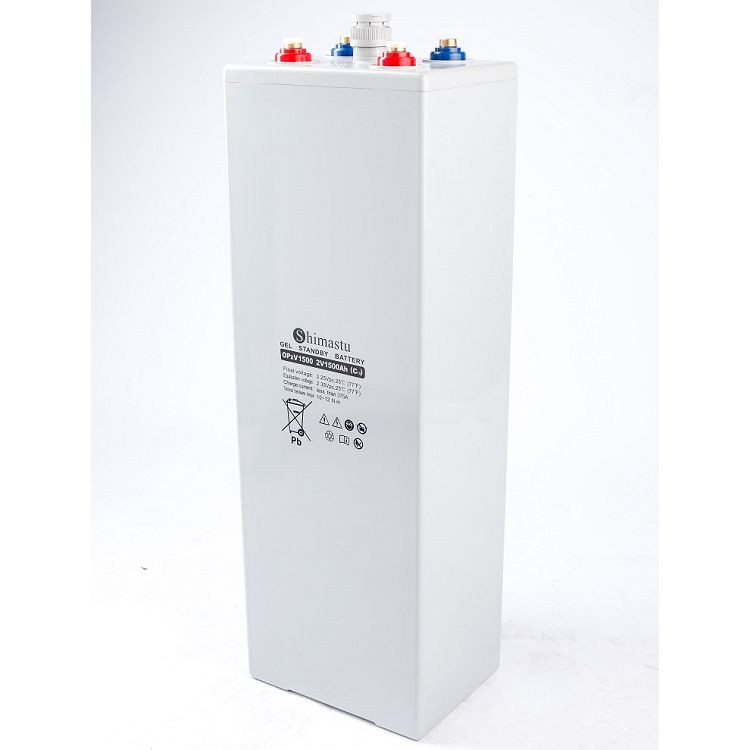
As a supplier of 12V24Ah GEL batteries, we also offer a wide range of other high - quality battery products. For example, we have the OPzS 420 Battery, which is known for its long service life and high performance. Our 12V60AH GEL BATTERY is a popular choice for various applications, providing reliable power. And if you need a large - capacity battery, our OPzV Tubular GEL Battery 2V1500AH is an excellent option.
Conclusion
Cleaning the terminals of a 12V24Ah GEL battery is a simple but important maintenance task that can significantly improve the battery's performance and lifespan. By following the steps outlined in this blog, you can keep your battery terminals clean and free of corrosion. If you have any questions about battery maintenance or if you're interested in purchasing our high - quality batteries, don't hesitate to contact us for more information and to discuss your procurement needs.
References
- Battery Maintenance Handbook, various battery manufacturers
- Electrical Safety Guidelines, industry standards organizations


