

AGM (Absorbent Glass Mat) batteries, known for their versatility and reliability, are a go-to option for many applications due to their maintenance-free nature and spill-proof design. As a reputable supplier of 12V7Ah AGM batteries, I'm often asked about how these batteries perform in cold weather conditions. This blog post will explore the intricacies of battery performance in the cold, the impact on the 12V7Ah AGM battery, and factors affecting its operation.
Understanding Battery Chemistry in Cold Weather
In an AGM battery, the chemical reactions that generate electricity are highly temperature-dependent. At lower temperatures, the movement of ions within the battery slows down significantly. This is because the electrolyte, which is absorbed in the glass mat separator, becomes more viscous as the temperature drops. The reduced ion mobility means that fewer chemical reactions can occur at a given time, resulting in a decrease in the battery's ability to deliver power.
For example, a fully charged 12V7Ah AGM battery at room temperature (around 25°C or 77°F) can provide its rated capacity efficiently. However, when the temperature drops to 0°C (32°F), the battery's available capacity can decrease by as much as 20%. As the temperature continues to drop to -20°C (-4°F), the capacity loss can be as high as 50%. This is a crucial aspect to consider, especially for applications that rely on the battery's full capacity, such as emergency backup systems or power tools.
Impact on Starting Performance
One of the critical applications of 12V7Ah AGM batteries is in starting engines, such as those in small vehicles, boats, or generator sets. Cold weather can severely impact the battery's ability to provide the high current needed for a successful start. When the engine is cold, the oil is thicker, and the internal components offer more resistance to movement. This requires the battery to deliver a higher current to turn the engine over.
However, as mentioned earlier, the cold temperature reduces the battery's power output. The result can be slow cranking or even a complete failure to start the engine. This is often the case in regions where winter temperatures can drop below freezing. To mitigate this issue, it's essential to ensure that the battery is in good condition and fully charged before the cold season arrives. Additionally, using a battery warmer or insulated battery box can help maintain the battery's temperature and improve its starting performance.
Self-Discharge Rate
Another factor to consider in cold weather is the battery's self-discharge rate. Self-discharge is the process by which a battery loses its charge over time, even when not in use. In general, the self-discharge rate of an AGM battery decreases with lower temperatures. This might seem like a positive aspect, but it can also lead to some challenges.
During the cold season, if a battery is left unused for an extended period, the reduced self-discharge rate can give a false sense of security. The battery may appear to have a sufficient charge, but when it comes time to use it, the low temperature can significantly reduce its available capacity. To prevent this, it's recommended to periodically check the battery's charge level and recharge it if necessary.
Charging Challenges in Cold Weather
Charging a 12V7Ah AGM battery in cold weather can be more challenging than in normal conditions. The battery's internal resistance increases as the temperature drops, which means that more energy is required to charge it. Additionally, the charging process itself generates heat, but in cold weather, this heat is dissipated more quickly, making it harder to reach the optimal charging temperature.
Most battery chargers are designed to work within a specific temperature range. In cold weather, the charger may not be able to deliver the correct charging current or voltage, which can lead to undercharging or overcharging. To address this issue, some advanced chargers are equipped with temperature sensors that can adjust the charging parameters based on the battery's temperature. If you don't have a temperature-compensated charger, it's advisable to bring the battery indoors to a warmer environment before charging.
Factors Affecting Cold Weather Performance
Several factors can influence how well a 12V7Ah AGM battery performs in cold weather. The battery's age and condition are crucial. An older battery or one that has been previously damaged may have a reduced capacity and be more susceptible to the effects of cold weather. Additionally, the quality of the battery's construction and the materials used can also play a significant role. High-quality batteries with advanced electrolyte formulations and robust internal components are generally more resistant to cold temperatures.

The type of application also matters. Batteries used in continuous discharge applications, such as in uninterruptible power supplies (UPS), may perform differently than those used in intermittent applications, like powering remote sensors. Continuous discharge applications require a steady supply of power, which can be more challenging to maintain in cold weather.
Mitigation Strategies
To ensure the best performance of 12V7Ah AGM batteries in cold weather, several mitigation strategies can be employed. As mentioned earlier, using a battery warmer or insulated battery box can help maintain the battery's temperature. Another option is to use a battery charger with temperature compensation. This allows the charger to adjust the charging voltage and current based on the battery's temperature, ensuring a proper and efficient charge.
Regular maintenance is also essential. This includes checking the battery's charge level, cleaning the terminals, and inspecting the battery for any signs of damage. If possible, it's advisable to store the battery in a warm place when not in use.
Comparison with Other Battery Types
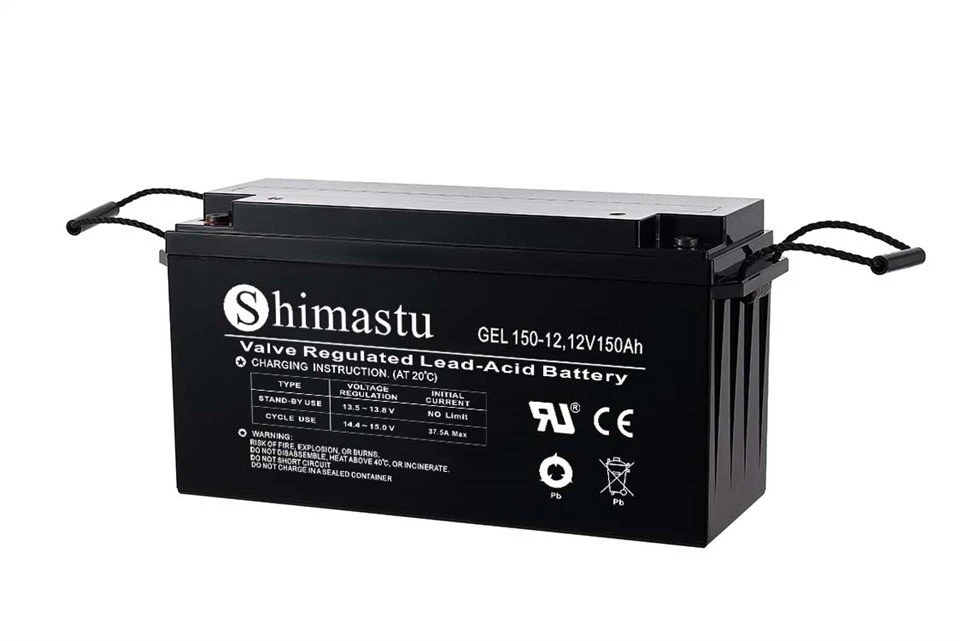
When considering cold weather performance, it's interesting to compare the 12V7Ah AGM battery with other battery types. For example, the 12V1.2Ah Rechargeable Battery may have a different response to cold temperatures due to its different capacity and design. Similarly, the 12V 60Ah GEL Battery and 12V 150AH Gel Battery have their own unique characteristics in cold weather.
In general, AGM batteries tend to perform better than flooded lead-acid batteries in cold weather because they are less prone to freezing and have a more stable electrolyte. Gel batteries, on the other hand, can have a relatively good performance in cold weather due to their thicker electrolyte, but they may also be more sensitive to overcharging.
Conclusion
In conclusion, while 12V7Ah AGM batteries are reliable power sources, their performance in cold weather can be significantly affected. Understanding the impact of temperature on battery chemistry, starting performance, self-discharge rate, and charging challenges is crucial for ensuring optimal operation. By implementing the appropriate mitigation strategies and regular maintenance, you can maximize the battery's performance and lifespan in cold conditions.
If you're in the market for high-quality 12V7Ah AGM batteries or have any questions about their performance in cold weather, feel free to reach out to us for a detailed discussion and potential purchase. We're here to help you find the best battery solution for your specific needs.
References
- Battery University: A comprehensive resource on battery technology and performance.
- Manufacturer's specifications and technical documents for 12V7Ah AGM batteries.


