

As a supplier of 12V24Ah GEL batteries, I often receive inquiries about the suitability of our products for various applications. One common question is whether a 12V24Ah GEL battery can be used in a wheelchair. In this blog post, I will delve into this topic, exploring the technical aspects, advantages, limitations, and considerations when using a 12V24Ah GEL battery in a wheelchair.
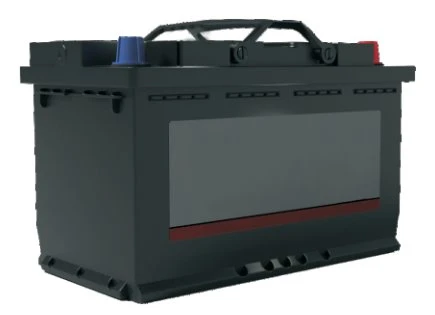

Understanding the Basics of 12V24Ah GEL Batteries
Before we discuss the compatibility with wheelchairs, let's understand what a 12V24Ah GEL battery is. The "12V" refers to the nominal voltage of the battery, which is a standard voltage used in many small to medium - sized electrical applications. The "24Ah" represents the ampere - hour rating, which indicates the amount of charge the battery can store. A higher Ah rating generally means the battery can supply power for a longer time.
GEL batteries are a type of valve - regulated lead - acid (VRLA) battery. They use a gel - like electrolyte instead of a liquid one. This gel electrolyte offers several advantages, such as being maintenance - free, spill - proof, and having a lower self - discharge rate compared to traditional flooded lead - acid batteries.
Technical Compatibility with Wheelchairs
Most wheelchairs are designed to operate on a certain voltage range, and 12V is a common voltage used in many electric wheelchairs. So, from a voltage perspective, a 12V24Ah GEL battery is likely to be compatible with a wide range of wheelchairs.
The ampere - hour rating is also an important factor. A 24Ah battery can provide a significant amount of energy. For a wheelchair, the power consumption depends on various factors such as the weight of the user, the terrain, and the speed at which the wheelchair is operated. A 24Ah battery should be able to power a wheelchair for a reasonable distance, typically several miles, before needing to be recharged.
However, it's crucial to check the manufacturer's specifications of the wheelchair. Some wheelchairs may have specific requirements for the battery's discharge rate, internal resistance, and other electrical characteristics. If the battery does not meet these requirements, it may not perform optimally or could even damage the wheelchair's electrical system.
Advantages of Using a 12V24Ah GEL Battery in a Wheelchair
Maintenance - Free Operation
One of the biggest advantages of GEL batteries is that they are maintenance - free. Unlike flooded lead - acid batteries, which require regular checking and topping up of the electrolyte, GEL batteries do not need such maintenance. This is extremely convenient for wheelchair users, as they don't have to worry about the technicalities of battery maintenance.
Safety
GEL batteries are spill - proof. Since they use a gel electrolyte, there is no risk of acid leakage, even if the battery is tilted or knocked over. This is a significant safety feature, especially for wheelchair users who may be transporting the wheelchair in different positions.
Long Lifespan
With proper charging and usage, GEL batteries can have a relatively long lifespan. They can withstand a certain number of charge - discharge cycles, which means that wheelchair users can rely on the battery for an extended period without having to replace it frequently.
Deep Discharge Resistance
GEL batteries are more resistant to deep discharges compared to some other battery types. In a wheelchair, there may be situations where the battery is discharged to a relatively low level. A GEL battery can handle these deep discharges better, which helps to preserve its overall lifespan.
Limitations and Considerations
Charging Requirements
GEL batteries require a specific charging profile. Using an incorrect charger can lead to overcharging or undercharging, which can significantly reduce the battery's lifespan. Wheelchair users need to ensure that they use a charger that is compatible with GEL batteries.
Weight
Compared to some other battery technologies, such as lithium - ion batteries, GEL batteries are relatively heavy. This additional weight can affect the mobility and maneuverability of the wheelchair, especially for manual wheelchair users who may need to lift or transport the wheelchair.
Cost
GEL batteries are generally more expensive than traditional flooded lead - acid batteries. While they offer many advantages, the higher cost may be a deterrent for some wheelchair users, especially those on a tight budget.
Other Battery Options for Wheelchairs
If a 12V24Ah GEL battery is not the right fit for a wheelchair, there are other options available. For example, the 12V 9Ah Battery Rechargeable may be suitable for smaller, lightweight wheelchairs or those with lower power requirements. On the other hand, the 12V 80AH Car Battery provides a much higher capacity but may be too large and heavy for most wheelchairs. The UPS Power Supply Battery is designed for different applications, but in some cases, it may be adapted for wheelchair use with proper modifications.
Conclusion
In conclusion, a 12V24Ah GEL battery can be a viable option for many wheelchairs. It offers several advantages such as maintenance - free operation, safety, and good deep - discharge resistance. However, wheelchair users need to carefully consider the technical compatibility, charging requirements, weight, and cost before making a decision.
If you are interested in our 12V24Ah GEL batteries or have any questions about using them in a wheelchair, we are here to help. Our team of experts can provide you with detailed information and guidance to ensure that you make the right choice for your wheelchair. We welcome you to contact us for procurement and further discussions.
References
- Battery University. "Understanding Gel Batteries."
- Wheelchair Manufacturer's Manuals.


