

As a supplier of the OPZV Series batteries, I've had numerous inquiries about the self - discharge mechanism of these high - performance power storage solutions. Understanding the self - discharge mechanism is crucial for users to optimize battery performance, extend battery life, and make informed decisions when it comes to battery management.
1. Introduction to the OPZV Series
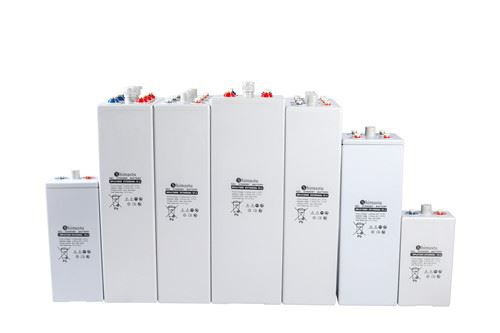
The OPZV Series, also known as Valve Regulated Tubular Plate GEL Batteries, is designed for long - term, reliable energy storage. These batteries are commonly used in applications such as solar power systems, telecommunications, and uninterruptible power supplies (UPS). Their tubular plate design and gel electrolyte offer several advantages, including high energy density, deep - discharge capability, and excellent cycle life.
2. What is Self - Discharge?
Self - discharge is a natural phenomenon that occurs in all batteries. It refers to the gradual loss of charge in a battery when it is not in use or under load. In the case of the OPZV Series, self - discharge can lead to a reduction in the available capacity over time, which may affect the battery's ability to deliver power when needed.
3. Factors Contributing to Self - Discharge in OPZV Batteries
3.1 Chemical Reactions
The chemical reactions within the battery are the primary cause of self - discharge. In an OPZV battery, the positive and negative electrodes are made of different materials, typically lead dioxide (PbO₂) for the positive electrode and lead (Pb) for the negative electrode, with a gel electrolyte containing sulfuric acid (H₂SO₄).
Even when the battery is not connected to an external circuit, chemical reactions can still occur between the electrodes and the electrolyte. For example, the lead dioxide at the positive electrode can react with the sulfuric acid in the electrolyte, gradually reducing the active material and releasing oxygen. At the negative electrode, the lead can react with the sulfuric acid to form lead sulfate (PbSO₄). These reactions consume the active materials of the electrodes and result in a loss of charge.
3.2 Impurities in the Battery Materials
Impurities in the battery materials, such as trace metals in the electrodes or contaminants in the electrolyte, can also contribute to self - discharge. These impurities can act as catalysts for unwanted chemical reactions, accelerating the self - discharge process. For instance, if there are small amounts of iron or copper impurities in the electrodes, they can participate in redox reactions with the sulfuric acid, leading to an increased rate of self - discharge.
3.3 Temperature
Temperature has a significant impact on the self - discharge rate of OPZV batteries. Generally, the higher the temperature, the faster the self - discharge rate. This is because an increase in temperature provides more energy for the chemical reactions within the battery to occur. At elevated temperatures, the kinetic energy of the molecules in the electrolyte and electrodes increases, making it easier for the chemical reactions to take place. For example, at a temperature of 40°C, the self - discharge rate of an OPZV battery can be several times higher than at 20°C.
3.4 State of Charge (SOC)
The state of charge of the battery also affects the self - discharge rate. Batteries with a higher state of charge tend to have a higher self - discharge rate. When the battery is fully charged, there is a greater concentration of active materials available for chemical reactions, which increases the likelihood of self - discharge. As the battery discharges, the concentration of active materials decreases, and the self - discharge rate slows down.
4. Measuring Self - Discharge in OPZV Batteries
To measure the self - discharge rate of OPZV batteries, a common method is to fully charge the battery and then store it at a constant temperature for a certain period. After the storage period, the battery is re - measured for its state of charge. The difference in the state of charge before and after storage is used to calculate the self - discharge rate.
For example, if a fully charged OPZV battery has a capacity of 100 Ah and after being stored at 25°C for 30 days, its capacity is measured to be 98 Ah, the self - discharge rate over this 30 - day period is 2 Ah. This rate can then be extrapolated to an annual self - discharge rate for better comparison and analysis.
5. Mitigating Self - Discharge in OPZV Batteries
5.1 Proper Storage Conditions
Storing OPZV batteries under proper conditions is crucial for minimizing self - discharge. The batteries should be stored in a cool, dry place with a stable temperature. A temperature range of 20 - 25°C is ideal for long - term storage. Additionally, the batteries should be kept in a well - ventilated area to prevent the accumulation of any gases that may be produced during self - discharge.
5.2 Regular Charging and Maintenance
Regular charging and maintenance can help reduce the impact of self - discharge. By periodically charging the battery to its full capacity, the active materials in the electrodes are restored, and the self - discharge process can be slowed down. It is recommended to charge the OPZV batteries at least once every few months if they are not in regular use.
5.3 High - Quality Battery Materials
Using high - quality battery materials can also help reduce self - discharge. High - purity electrodes and electrolytes with low levels of impurities can minimize the occurrence of unwanted chemical reactions, thereby reducing the self - discharge rate. As a supplier of the OPZV Series, we ensure that our batteries are manufactured using the highest quality materials to provide our customers with batteries that have low self - discharge rates.
6. The Impact of Self - Discharge on Battery Performance and Application
Self - discharge can have several impacts on the performance and application of OPZV batteries. In long - term storage applications, such as in standby power systems, a high self - discharge rate can lead to a significant loss of capacity over time. This means that when the battery is needed to provide power during an outage, it may not be able to deliver the required amount of energy.
In solar power systems, self - discharge can also affect the overall efficiency of the system. If the batteries lose a significant amount of charge during periods of low sunlight or when the system is not in use, more energy from the solar panels will be required to recharge the batteries, reducing the overall energy utilization efficiency.

7. Conclusion and Call to Action
In conclusion, understanding the self - discharge mechanism of the OPZV Series batteries is essential for both battery users and suppliers. By being aware of the factors that contribute to self - discharge, such as chemical reactions, impurities, temperature, and state of charge, users can take appropriate measures to mitigate its effects and optimize battery performance.
As a reliable supplier of the OPZV Series, we are committed to providing high - quality batteries with low self - discharge rates. Our batteries are designed and manufactured using the latest technologies and highest quality materials to ensure long - term reliability and performance.
If you are interested in purchasing OPZV Series batteries for your application, whether it's for a solar power system, telecommunications, or UPS, we encourage you to contact us for a detailed consultation. Our team of experts will be happy to assist you in selecting the right battery solution for your specific needs and provide you with all the necessary information on battery management and maintenance.
References
- Linden, D., & Reddy, T. B. (2002). Handbook of Batteries. McGraw - Hill.
- Rand, D. A. J., Moseley, P. T., Garche, J., & Parker, C. (2004). Lead - Acid Batteries: Science and Technology. Elsevier.


