

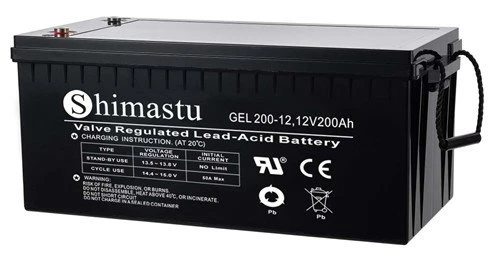
Hey there! As a supplier of 200 Amp GEL Batteries, I often get asked about how different temperatures affect the charging time of these batteries. Well, I'm here to break it down for you in a way that's easy to understand.
First off, let's talk about what a 200 Amp GEL Battery is. These batteries are pretty awesome. They're sealed, maintenance - free, and have a long lifespan compared to some other types of batteries. If you're interested in getting one, you can check out our 200 Amp GEL Battery on our website.
Now, temperature plays a huge role in how quickly a battery charges. Batteries are like us humans; they don't perform as well in extreme conditions. When it comes to charging a 200 Amp GEL Battery, there are three main temperature ranges we need to consider: cold, normal, and hot.
Cold Temperatures
In cold temperatures, say below 0°C (32°F), the charging time of a 200 Amp GEL Battery can increase significantly. The chemical reactions inside the battery slow down in the cold. You know how honey gets thick and sticky when it's cold? It's kind of the same idea with the electrolyte inside the battery. The ions move more sluggishly, which means it takes longer for the battery to accept a charge.
Let's take an example. Under normal conditions, a 200 Amp GEL Battery might take around 10 - 12 hours to fully charge with a standard charger. But in really cold weather, that time could double or even triple. So, you might be looking at 20 - 30 hours to get the battery fully charged. This is because the charger has to work harder to push the charge into the battery.
Another thing to note is that charging a battery in extremely cold temperatures can also be risky. If you try to charge it too quickly, you might end up with a phenomenon called "thermal runaway." This is when the battery starts to heat up unevenly, which can damage the battery and even be a fire hazard. So, if you're in a cold climate, it's a good idea to bring the battery indoors or use a charger with a temperature sensor that can adjust the charging rate based on the temperature.
Normal Temperatures
Normal temperatures, usually between 20°C - 25°C (68°F - 77°F), are the sweet spot for charging a 200 Amp GEL Battery. At these temperatures, the chemical reactions inside the battery are at their most efficient. The electrolyte has the right consistency, and the ions can move freely.
With a good quality charger, you can expect to charge a 200 Amp GEL Battery in about 10 - 12 hours. This is the standard time that most battery manufacturers recommend. The charger can deliver the charge at an optimal rate, and the battery can accept it without any issues.
It's also important to note that keeping your battery at normal temperatures not only shortens the charging time but also extends the battery's lifespan. The less stress you put on the battery during the charging process, the longer it will last.
Hot Temperatures
Now, let's talk about hot temperatures. When it's really hot, say above 40°C (104°F), the charging time can be affected in a different way. At high temperatures, the chemical reactions inside the battery speed up. While this might seem like it would make the charging faster, it actually has some negative consequences.
In hot weather, the battery can overheat during charging. Overheating can cause the electrolyte to evaporate, which reduces the battery's capacity and can also damage the internal components. The charger might also have to reduce the charging rate to prevent the battery from overheating. So, even though the chemical reactions are faster, the overall charging time might not be much shorter, and in some cases, it could even be longer.
For instance, if you try to charge a 200 Amp GEL Battery in hot weather without proper cooling, the charger might have to slow down the charging process to keep the battery from getting too hot. This could add a few extra hours to the charging time.
It's also important to protect your battery from direct sunlight and high - temperature environments. If you're using the battery in a hot climate, you might consider using a battery cooler or a charging system with built - in temperature control.
Tips for Charging in Different Temperatures
- Cold Weather: If it's cold outside, try to keep the battery warm before and during charging. You can use a battery warmer or bring the battery indoors. Also, use a charger with a low - temperature charging mode if possible.
- Normal Weather: This is the easiest time to charge your battery. Just follow the manufacturer's instructions and use a good quality charger.
- Hot Weather: Make sure the battery has proper ventilation during charging. Avoid charging it in direct sunlight. You might also want to invest in a charger with a temperature - sensing feature that can adjust the charging rate based on the temperature.
Other Battery Options
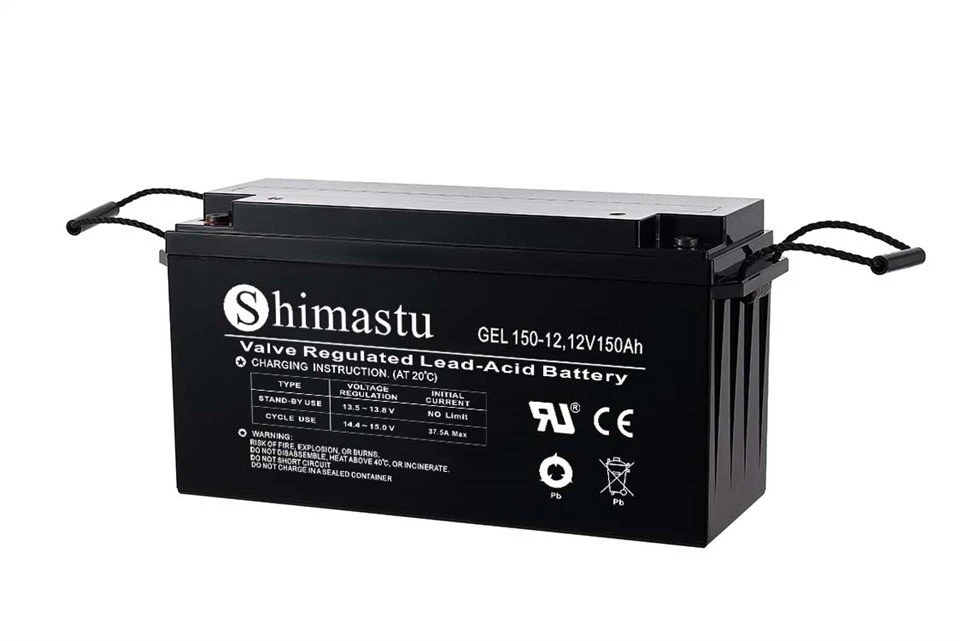
We also offer other great battery options on our website. For example, if you're looking for a smaller battery, our 12V 150AH Gel Battery is a great choice. It's perfect for smaller applications like RVs or boats. And if you need a battery for an alarm system, our 12V7Ah Battery for Alarm System is reliable and long - lasting.
Conclusion
So, as you can see, temperature has a big impact on the charging time of a 200 Amp GEL Battery. Whether it's cold, normal, or hot, understanding how temperature affects the charging process can help you get the most out of your battery.
If you're interested in purchasing a 200 Amp GEL Battery or any of our other battery products, don't hesitate to reach out. We're here to answer any questions you might have and help you find the right battery for your needs. Whether you're a DIY enthusiast, a professional installer, or just looking for a reliable battery for your home or vehicle, we've got you covered.
References
- Battery University. “Temperature Effects on Battery Performance.”
- Manufacturer's guidelines for 200 Amp GEL Batteries.


