

As a supplier of the OPZV Series batteries, I've witnessed firsthand the high - performance and reliability these batteries offer. However, like any other product, they may encounter failures from time to time. In this blog, I'll share some insights on how to handle the failure of the OPZV Series batteries.
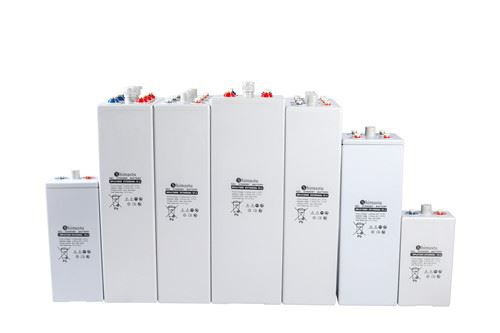

Understanding the OPZV Series Batteries
Before delving into failure handling, it's essential to understand what the OPZV Series batteries are. The OPZV Series batteries, also known as Valve Regulated Tubular Plate GEL Batteries, are designed for long - term, deep - cycle applications. They are commonly used in solar power systems, telecommunications, and UPS (Uninterruptible Power Supply) systems.
These batteries feature tubular positive plates and gel electrolyte technology. The tubular plates provide excellent resistance to corrosion and a long service life, while the gel electrolyte helps to prevent acid stratification and reduces the risk of leakage.
Common Causes of OPZV Series Battery Failures
- Overcharging and Undercharging
Overcharging can lead to excessive gassing, water loss, and plate corrosion. On the other hand, undercharging can cause sulfation, where lead sulfate crystals accumulate on the battery plates. This reduces the battery's capacity and shortens its lifespan. - High Temperature
OPZV batteries are sensitive to temperature. Operating at high temperatures can accelerate the chemical reactions inside the battery, leading to faster water loss, plate degradation, and reduced battery life. - Deep Discharging
Repeated deep discharges can cause irreversible damage to the battery plates. When the battery is deeply discharged, the lead sulfate crystals become larger and harder to convert back to active materials during charging. - Poor Installation and Maintenance
Incorrect installation, such as improper connection or insufficient ventilation, can lead to battery failures. Additionally, lack of regular maintenance, including checking the electrolyte level, terminal tightness, and battery voltage, can also contribute to problems.
Diagnostic Steps for Battery Failures
- Visual Inspection
Start by visually inspecting the battery. Look for signs of physical damage, such as cracks in the battery case, bulging, or leakage. Check the terminals for corrosion or loose connections. - Voltage Measurement
Use a voltmeter to measure the battery's open - circuit voltage. A fully charged OPZV battery should have a voltage of around 2.25 - 2.30 volts per cell. If the voltage is significantly lower, it may indicate a problem with the battery. - Load Testing
Perform a load test to assess the battery's ability to deliver power under a load. Connect a load resistor to the battery and measure the voltage while the load is applied. Compare the results with the battery's specifications to determine if it is performing properly. - Electrolyte Analysis
If possible, analyze the electrolyte in the battery. Check the specific gravity and pH level of the electrolyte. Abnormal values may indicate problems such as overcharging, undercharging, or contamination.
Solutions for Different Types of Failures
- Overcharging and Undercharging
- Overcharging: Adjust the charging parameters of the charger to ensure that the battery is not overcharged. Use a charger with a proper charging algorithm that can automatically adjust the charging current and voltage based on the battery's state of charge.
- Undercharging: Check the charging system for any faults, such as a faulty charger or a loose connection. Ensure that the charger is providing enough current to fully charge the battery.
- High Temperature
- Install the batteries in a well - ventilated area with proper temperature control. Use a battery cabinet or enclosure with cooling fans if necessary. Avoid exposing the batteries to direct sunlight or other sources of heat.
- Deep Discharging
- Avoid deep discharges by using a battery management system (BMS) or a charge controller that can prevent the battery from being discharged below a certain level. If the battery has been deeply discharged, recharge it as soon as possible using a proper charging procedure.
- Poor Installation and Maintenance
- Installation: Ensure that the batteries are installed correctly according to the manufacturer's instructions. Make sure the connections are tight and the ventilation is adequate.
- Maintenance: Establish a regular maintenance schedule. Check the electrolyte level, terminal tightness, and battery voltage at least once a month. Clean the terminals and remove any corrosion if necessary.
Preventive Measures to Avoid Battery Failures
- Proper Installation
Follow the manufacturer's installation guidelines carefully. Ensure that the batteries are installed in a clean, dry, and well - ventilated area. Use the correct cables and connectors, and make sure the connections are tight. - Regular Maintenance
- Check the electrolyte level regularly and add distilled water if necessary.
- Inspect the terminals for corrosion and clean them if needed.
- Measure the battery voltage and specific gravity periodically to monitor the battery's state of health.
- Temperature Management
Keep the battery temperature within the recommended range. Use temperature - compensated charging to adjust the charging voltage based on the battery temperature. - Load Management
Avoid overloading the batteries. Size the battery bank correctly based on the load requirements and the expected depth of discharge.
When to Replace the Battery
Despite our best efforts, there may come a time when the battery needs to be replaced. Here are some signs that indicate it's time to replace an OPZV battery:
- Significant Capacity Loss
If the battery's capacity has decreased to less than 80% of its original capacity, it may no longer be able to meet the power requirements of the application. - Repeated Failures
If the battery has experienced multiple failures, even after attempts to repair it, it may be more cost - effective to replace it. - Physical Damage
Severe physical damage, such as a cracked case or extensive leakage, cannot be repaired and requires battery replacement.
Conclusion
Handling the failure of OPZV Series batteries requires a combination of diagnostic skills, understanding of the battery technology, and proper maintenance practices. By identifying the root causes of failures, performing accurate diagnostics, and implementing appropriate solutions, we can extend the lifespan of the batteries and ensure their reliable performance.
If you are experiencing problems with your OPZV Series batteries or are interested in purchasing high - quality OPZV batteries, feel free to contact us for more information and professional advice. We are committed to providing our customers with the best products and services in the field of energy storage.
References
- Battery University - A comprehensive resource for battery knowledge and technology.
- Manufacturer's documentation for OPZV Series batteries.
- Industry standards and guidelines for battery installation and maintenance.


