

As a supplier deeply entrenched in the OPZV Series battery market, I often encounter inquiries regarding the service life of these batteries. The OPZV Series, known as Valve Regulated Tubular Plate GEL Batteries [/solar-battery/opzv-series/valve-regulated-tubular-plate-gel-batteries.html], is a remarkable product line that offers reliable energy storage solutions for various applications. In this blog, I will delve into the factors that influence the service life of OPZV Series batteries and provide insights based on industry knowledge and practical experience.
Understanding the OPZV Series Batteries
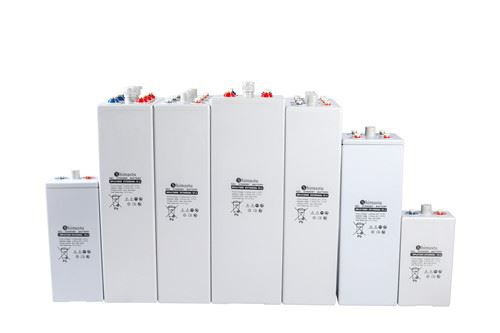
The OPZV Series batteries are designed with tubular positive plates and a gel electrolyte, which sets them apart from conventional lead - acid batteries. The tubular plates are more resistant to corrosion and active material shedding, while the gel electrolyte immobilizes the electrolyte, reducing the risk of acid stratification and enhancing the overall stability of the battery. These features contribute to the battery's long - term performance and durability.
Factors Affecting the Service Life of OPZV Series Batteries
1. Temperature
Temperature plays a crucial role in determining the service life of OPZV Series batteries. High temperatures accelerate the chemical reactions inside the battery, which can lead to faster self - discharge and grid corrosion. On the other hand, extremely low temperatures can reduce the battery's capacity and increase its internal resistance.
According to industry standards, the optimal operating temperature range for OPZV Series batteries is between 20°C and 25°C. For every 10°C increase above this range, the battery's service life can be reduced by approximately half. Conversely, operating the battery at lower temperatures can also have a negative impact, although to a lesser extent.
2. Depth of Discharge (DoD)
The depth of discharge refers to the percentage of the battery's capacity that is discharged during use. A higher DoD generally leads to a shorter service life. OPZV Series batteries are designed to withstand a certain level of deep discharge, but frequent deep discharges can cause irreversible damage to the battery plates.
It is recommended to keep the DoD of OPZV Series batteries below 50% for most applications. By limiting the depth of discharge, the battery can maintain its performance and extend its service life. For example, in a solar power system, proper sizing of the battery bank and the use of a charge controller can help manage the DoD effectively.
3. Charging Practices
Proper charging is essential for maximizing the service life of OPZV Series batteries. Overcharging can cause gassing, water loss, and plate corrosion, while undercharging can lead to sulfation, a process where lead sulfate crystals form on the battery plates and reduce the battery's capacity.
The charging process should follow a specific charging profile that includes a constant - current (CC) phase followed by a constant - voltage (CV) phase. The charging voltage and current should be carefully regulated according to the battery's specifications. Additionally, the use of a smart charger that can adjust the charging parameters based on the battery's state of charge and temperature can significantly improve the battery's service life.
4. Maintenance
Regular maintenance is another important factor in extending the service life of OPZV Series batteries. Although these batteries are designed to be maintenance - free to a certain extent, some basic maintenance tasks are still required.
This includes checking the battery's electrolyte level (if applicable), cleaning the battery terminals to prevent corrosion, and inspecting the battery for any signs of damage or leakage. Periodic equalization charging can also help to balance the cells in the battery and improve its overall performance.
Typical Service Life Expectancy
Under optimal operating conditions, the service life of OPZV Series batteries can range from 10 to 15 years. This estimate is based on a combination of factors, including a moderate depth of discharge (less than 50%), proper charging practices, and a stable operating temperature within the recommended range.
However, in real - world applications, the service life can vary significantly depending on the specific usage scenario. For example, in a solar power system in a hot climate with frequent deep discharges, the battery's service life may be reduced to 5 - 8 years. On the other hand, in a backup power system with infrequent use and proper maintenance, the battery may last closer to the upper end of the service life range.
Case Studies
To illustrate the impact of different operating conditions on the service life of OPZV Series batteries, let's consider two case studies.
Case Study 1: Solar Power System in a Hot Climate
A solar power system in a desert region uses OPZV Series batteries. The average temperature in this area is around 35°C, and the battery bank is frequently discharged to 70% DoD due to high energy consumption during peak hours.
Despite regular maintenance, the batteries in this system start to show signs of reduced capacity after 4 years. By the 6th year, the battery performance has deteriorated significantly, and the system requires a battery replacement.
Case Study 2: Backup Power System in a Controlled Environment
A backup power system in an office building uses OPZV Series batteries. The operating temperature is maintained at around 22°C, and the batteries are rarely discharged, with a typical DoD of less than 20%.

After 12 years of operation, the batteries still maintain over 80% of their original capacity. With proper maintenance and occasional equalization charging, it is expected that the batteries will continue to serve the system for a few more years.
Conclusion
The service life of OPZV Series batteries is influenced by multiple factors, including temperature, depth of discharge, charging practices, and maintenance. By understanding these factors and implementing proper operating and maintenance procedures, users can maximize the service life of these batteries and achieve a more cost - effective energy storage solution.
As a supplier of OPZV Series batteries, I am committed to providing high - quality products and professional advice to our customers. If you are interested in learning more about our OPZV Series batteries or need assistance in selecting the right battery for your application, please feel free to contact us for further discussion and procurement. We look forward to working with you to meet your energy storage needs.
References
- Battery Council International (BCI). Battery Maintenance and Service Manual.
- International Electrotechnical Commission (IEC). Standards for lead - acid batteries.
- Practical experience and field data from OPZV Series battery installations.


