

Hey there! As a supplier of 12V55Ah GEL batteries, I've seen firsthand how temperature can have a huge impact on these powerhouses. In this blog, I'm gonna break down exactly how temperature affects our 12V55Ah GEL batteries and what you need to know to get the most out of them.
Let's start with the basics. A 12V55Ah GEL battery is a type of sealed lead - acid battery that uses a gel - electrolyte. These batteries are popular for a variety of applications, like Intruder Alarm Battery, backup power systems, and small off - grid solar setups. They're known for being maintenance - free and having a relatively long lifespan.
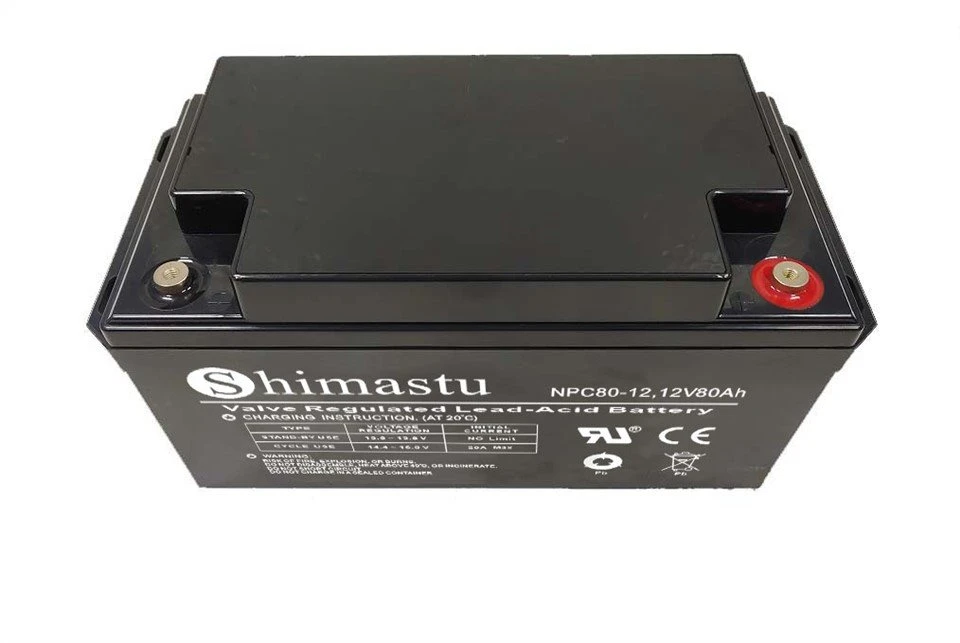

Temperature and Battery Capacity
One of the most significant ways temperature affects a 12V55Ah GEL battery is its capacity. In simple terms, battery capacity is the amount of energy a battery can store and deliver. When the temperature drops, the chemical reactions inside the battery slow down. This means that the battery can't release as much energy as it could at a normal temperature.
For example, in cold weather (let's say around 0°C or 32°F), a 12V55Ah GEL battery might only be able to deliver about 70 - 80% of its rated capacity. That's a big drop! If you're relying on this battery for your 12V7Ah Battery for Alarm System or other critical applications, it could lead to some serious issues. The alarm system might not function properly, or your backup power might run out much faster than expected.
On the other hand, when the temperature rises, the chemical reactions speed up. At first glance, this might seem like a good thing, as the battery can potentially deliver more power. But there's a catch. High temperatures (say, above 40°C or 104°F) can cause the electrolyte in the GEL battery to dry out faster. This not only reduces the battery's capacity over time but also shortens its overall lifespan.
Charging and Discharging at Different Temperatures
Temperature also plays a crucial role in the charging and discharging processes of a 12V55Ah GEL battery. When it comes to charging, cold temperatures make it harder for the battery to accept a charge. The internal resistance of the battery increases in the cold, which means that it takes longer to charge the battery fully. And if you try to charge it too quickly in cold conditions, you might end up damaging the battery.
In hot temperatures, the opposite can happen. The battery might charge faster, but again, this can be a double - edged sword. Overcharging can occur more easily in high - temperature environments, which can lead to the battery overheating and causing permanent damage.
Discharging is affected as well. In cold weather, the battery's voltage drops more quickly during discharge. This means that if you're using the battery to power a device, the device might stop working sooner than it would at a normal temperature. In hot weather, the battery can discharge more rapidly, which can also lead to premature depletion of the battery's energy.
Battery Lifespan and Temperature
The lifespan of a 12V55Ah GEL battery is closely tied to the temperature it's exposed to. As I mentioned earlier, high temperatures can cause the electrolyte to dry out. This drying process can lead to the formation of lead sulfate crystals on the battery plates. These crystals can reduce the battery's ability to hold a charge and can eventually cause the battery to fail.
Cold temperatures can also be harmful to the battery's lifespan. Repeatedly discharging the battery in cold conditions can cause damage to the battery plates. Over time, this damage accumulates, and the battery's performance deteriorates.
To give you an idea of how significant the impact can be, a 12V55Ah GEL battery that's kept at a constant temperature of around 25°C (77°F) can last for several years. But if it's exposed to extreme temperatures (either very hot or very cold) on a regular basis, its lifespan could be cut in half or even more.
What Can You Do to Mitigate the Effects of Temperature?
As a supplier, I often get asked what customers can do to protect their 12V55Ah GEL batteries from the negative effects of temperature. Here are some tips:
- Temperature Control: If possible, keep the battery in an environment with a stable temperature. For example, if you're using the battery in a solar power system, consider installing it in a temperature - controlled shed or enclosure.
- Proper Charging: Use a charger that's designed to adjust the charging rate based on the temperature. This can help prevent overcharging in hot conditions and ensure a proper charge in cold conditions.
- Insulation: In cold climates, you can insulate the battery to help keep it warm. There are special battery blankets available that can help maintain a more stable temperature.
Real - World Applications and Temperature
Let's take a look at some real - world applications where temperature can have a big impact on our 12V55Ah GEL batteries.
In a security system, like the Intruder Alarm Battery, a sudden drop in temperature can cause the battery to lose capacity. This means that if there's a power outage during a cold night, the alarm system might not stay operational for as long as it should. On the other hand, if the security system is installed in a hot attic or storage room, the high temperature can shorten the battery's lifespan, leading to more frequent battery replacements.
For off - grid solar systems, temperature variations can also be a challenge. In the winter, cold temperatures can reduce the battery's ability to store and deliver energy, which can be a problem when sunlight is limited. In the summer, high temperatures can cause the battery to degrade faster, affecting the overall efficiency of the solar system.
Another application is in marine environments. Boats often use 12V55Ah GEL batteries for their electrical systems. The temperature on a boat can vary greatly, from cold nights on the water to hot days in the sun. These temperature changes can impact the battery's performance and lifespan, making it crucial to take proper precautions.
Conclusion
So, as you can see, temperature has a significant impact on 12V55Ah GEL batteries. Whether it's reducing capacity, affecting charging and discharging, or shortening the lifespan, temperature is a factor that can't be ignored.
As a supplier, I'm here to help you get the most out of your 12V55Ah GEL batteries. If you have any questions about how to handle temperature - related issues or if you're interested in purchasing our high - quality 12V 80Ah Deep Cycle Battery or other products, don't hesitate to reach out. We're always happy to have a chat and discuss your specific needs.
If you're in the market for a reliable 12V55Ah GEL battery or want to learn more about how to optimize its performance in different temperatures, contact us today for a purchase and negotiation. We look forward to working with you!
References
- Battery University: "Understanding Battery Temperature Effects"
- National Renewable Energy Laboratory: "Temperature Impacts on Battery Performance"
- Sealed Lead - Acid Battery Manufacturers Association: "Best Practices for Battery Use in Different Temperatures"


