

In the realm of telecommunications systems, power reliability is of utmost importance. A stable and consistent power supply ensures that communication networks remain operational, minimizing downtime and maintaining seamless connectivity. As a supplier of 200 Amp GEL batteries, I am often asked whether these batteries can be used effectively in telecommunications systems. In this blog post, we will explore the feasibility of using 200 Amp GEL batteries in telecommunications applications, considering their characteristics, advantages, and potential limitations.
Understanding GEL Batteries
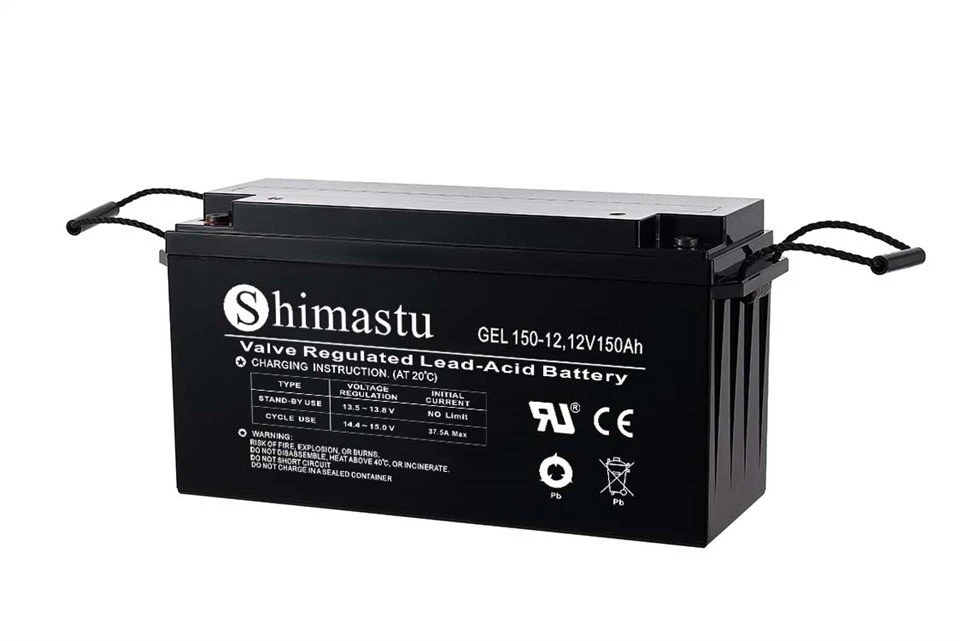
GEL batteries are a type of valve-regulated lead-acid (VRLA) battery. They are characterized by their use of a gel electrolyte, which is a thickened form of sulfuric acid suspended in a silica gel matrix. This gel structure immobilizes the electrolyte, preventing it from spilling or leaking, even if the battery is damaged or tilted. GEL batteries are known for their deep cycling capabilities, long service life, and low self-discharge rate, making them suitable for a variety of applications, including renewable energy storage, backup power systems, and telecommunications.
Characteristics of 200 Amp GEL Batteries
A 200 Amp GEL battery is designed to provide a high capacity of electrical energy storage. The "200 Amp" refers to the battery's ampere-hour (Ah) rating, which indicates the amount of current the battery can supply over a specified period of time. In this case, a 200 Ah battery can theoretically supply a current of 200 amps for one hour, or 100 amps for two hours, and so on.
These batteries typically have a nominal voltage of 12 volts, although they can be connected in series or parallel to achieve higher voltages or capacities. GEL batteries are also known for their slow charging characteristics, which can help to extend their lifespan and improve their overall performance.
Advantages of Using 200 Amp GEL Batteries in Telecommunications Systems
- Reliable Backup Power
Telecommunications systems require a reliable source of backup power to ensure continuous operation in the event of a mains power failure. 200 Amp GEL batteries can provide a substantial amount of energy storage, allowing them to power critical telecommunications equipment for an extended period of time. This is particularly important in areas with unreliable power grids or in remote locations where access to backup power may be limited. - Deep Cycling Capabilities
Telecommunications systems often require batteries that can withstand frequent deep discharges and recharges. GEL batteries are well-suited for this type of application, as they are designed to handle deep cycling without significant loss of capacity or performance. This means that they can be repeatedly discharged and recharged over their lifespan, making them a cost-effective solution for long-term backup power. - Low Maintenance
Compared to other types of batteries, GEL batteries require minimal maintenance. They do not need to be regularly topped up with water, as the gel electrolyte eliminates the need for this type of maintenance. Additionally, GEL batteries are sealed and valve-regulated, which means that they do not emit harmful gases or require special ventilation. This makes them a convenient and safe option for use in telecommunications systems. - Long Service Life
GEL batteries are known for their long service life, which can range from 5 to 15 years, depending on the usage conditions and maintenance practices. This long lifespan makes them a cost-effective investment for telecommunications operators, as they do not need to be replaced as frequently as other types of batteries.
Potential Limitations of Using 200 Amp GEL Batteries in Telecommunications Systems
- High Initial Cost
One of the main drawbacks of using 200 Amp GEL batteries is their relatively high initial cost. Compared to other types of batteries, such as flooded lead-acid batteries, GEL batteries can be more expensive to purchase. However, it is important to consider the long-term cost savings associated with their long service life and low maintenance requirements. - Slow Charging
As mentioned earlier, GEL batteries have slow charging characteristics. This means that they may take longer to recharge compared to other types of batteries. In some cases, this may not be a significant issue, especially if the battery has enough time to recharge between power outages. However, in applications where rapid charging is required, such as in high-demand telecommunications systems, this may be a limitation. - Temperature Sensitivity
GEL batteries are sensitive to temperature variations. They perform best at moderate temperatures, typically between 20°C and 25°C. Extreme temperatures, either hot or cold, can affect the battery's performance and lifespan. In telecommunications systems located in areas with extreme temperatures, additional measures may need to be taken to ensure that the batteries are kept within the optimal temperature range.
Compatibility with Telecommunications Equipment
Before using 200 Amp GEL batteries in a telecommunications system, it is important to ensure that they are compatible with the specific equipment and requirements of the system. This includes considering the battery's voltage, capacity, charging requirements, and discharge rate. It is also important to consult with the equipment manufacturer or a qualified electrical engineer to ensure that the batteries are installed and used correctly.
Other Battery Options for Telecommunications Systems
In addition to 200 Amp GEL batteries, there are other types of batteries that can be used in telecommunications systems. Some of these options include:
- Flooded Lead-Acid Batteries: These batteries are the most common type of battery used in telecommunications systems. They are relatively inexpensive and have a high energy density. However, they require regular maintenance, including topping up with water and checking the electrolyte levels.
- Lithium-Ion Batteries: Lithium-ion batteries are becoming increasingly popular in telecommunications systems due to their high energy density, long service life, and fast charging capabilities. However, they are more expensive than lead-acid batteries and require special charging and safety equipment.
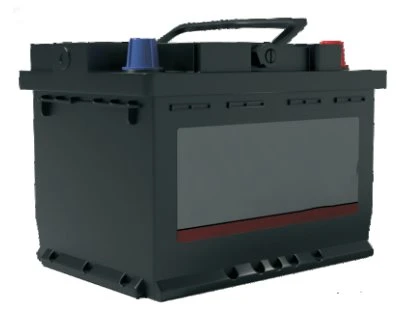
- 12V 80AH Car Battery: This type of battery is typically used in automotive applications but can also be used in some low-power telecommunications systems. It has a relatively low capacity compared to 200 Amp GEL batteries but may be a suitable option for smaller or less critical systems.
- 12V 150AH Gel Battery: Similar to the 200 Amp GEL battery, this battery has a lower capacity but may be a more cost-effective option for some telecommunications applications.
- 12V120AH GEL BATTERY: Another option for telecommunications systems, this battery offers a moderate capacity and the benefits of GEL battery technology.
Conclusion
In conclusion, 200 Amp GEL batteries can be a viable option for use in telecommunications systems. They offer reliable backup power, deep cycling capabilities, low maintenance, and a long service life. However, they also have some potential limitations, including high initial cost, slow charging, and temperature sensitivity. Before deciding whether to use 200 Amp GEL batteries in a telecommunications system, it is important to carefully consider the specific requirements and constraints of the system, as well as the advantages and disadvantages of different battery options.
If you are interested in learning more about our 200 Amp GEL batteries or other battery solutions for telecommunications systems, please feel free to contact us to discuss your specific needs and requirements. Our team of experts is available to provide you with detailed information and guidance to help you make the best decision for your telecommunications system.
References
- Battery Council International. (2023). Battery Basics. Retrieved from [Battery Council International website]
- IEEE Standards Association. (2023). IEEE Standards for Batteries in Telecommunications Systems. Retrieved from [IEEE Standards Association website]
- US Department of Energy. (2023). Energy Storage Technologies. Retrieved from [US Department of Energy website]


